
Dharamshala & Mcleodganj Travel Guide: Triund Trek, Dharamkot & Hidden Gems
Explore Dharamshala and Mcleodganj with our ultimate travel guide. Discover Triund Trek, serene Dharamkot, local markets, cafes, and offbeat trails for your perfect Himalayan adventure.
Dharamshala & McLeodganj – Triund Trek, Dharamkot & Hidden Spots
Discover Triund trek, Dharamkot cafés & hidden gems of Dharamshala–McLeodganj
Updated on: 31st, Dec 2025
Explored on: Mar' 2020
Discover Dharamshala & McLeod Ganj – A Journey Through Mountains, Culture & Calm
If you’re dreaming of verdant Himalayan landscapes, Tibetan culture, and adventure all in one, Dharamshala and McLeod Ganj in Himachal Pradesh are calling your name. Nestled in the scenic Kangra district, these twin towns are small yet vibrant, effortlessly balancing energy and calm. McLeod Ganj market buzzes with travelers, cafés, local shops, and street food, while a short walk away, forest trails and mountain paths lead to serene solitude. This rare blend of bustle and quiet makes McLeod Ganj one of the Most Loved Tourist Destinations in Himachal Pradesh.
Known as Little Lhasa, McLeod Ganj is the spiritual heart of Tibetan culture in India. Home to the Tibetan government-in-exile and the residence of His Holiness the Dalai Lama, it draws spiritual seekers and Buddhist followers from across the globe. Dharamshala itself, once a British hill station, earned its name—meaning “rest house”—as a colonial summer retreat. After the British left, Tibetan settlers brought new life to the town, shaping it into a major Buddhist pilgrimage site. Today, this layered history is visible everywhere—from peaceful monasteries and prayer wheels to colonial architecture and winding mountain roads.
With countless things to do in Dharamshala and McLeod Ganj, these twin towns are perfect for backpackers, solo travelers, and culture lovers alike. Visit the serene Dalai Lama Temple, trek to Triund, chase waterfalls at Bhagsunag, wander around scenic lakes, or sip tea in vibrant cafés. Framed by the majestic Dhauladhar range, the towns offer the best of both worlds—bustling markets and peaceful forest hideouts. Whether hiking mountain trails, exploring monasteries, tasting Himachali and Tibetan cuisine, or simply slowing down with a view, Dharamshala and McLeod Ganj invite you to wander freely. In just a few days, the mountains feel like home, the air feels lighter, and somewhere along the way, this Himalayan escape quietly finds a permanent place in your heart.
Table of Contents
How to Reach Dharamshala – The Road to the Mountains
Cradled in the Kangra Valley and watched over by the mighty Dhauladhar range, Dharamshala feels peacefully distant, yet reaching it is easier than you might think. Whether by air, train, or road, the journey slowly trades city chaos for winding lanes, cooler mountain air, and glimpses of the calm waiting ahead—making Dharamshala travel a part of the adventure itself.
By Air:
The nearest airport is Kangra Airport (also known as Gaggal Airport), located approximately 13 kilometers from Dharamshala and roughly 20 kilometers from McLeod Ganj. Well connected to Delhi, it’s the fastest way to reach the mountains. As the plane descends, the snow-kissed Dhauladhar peaks come into view, hinting at the serenity ahead. You can check and book flights to Dharamshala (Kangra Airport)↗ in advance to get the best fares. Taxis from the airport take around 30–40 minutes along scenic hill roads, making your first glimpse of Himachal Pradesh an unforgettable one, and travelers can also pre-book a hassle-free airport pickup to Dharamshala↗ for a smoother arrival.
By Train:
The closest major railway station is Pathankot Junction↗, roughly 85 kilometers from Dharamshala. Well-linked to cities like Delhi, Amritsar, and Jammu, train travel is reliable and comfortable. From Pathankot, taxis and buses are available to Dharamshala and McLeod Ganj. For those who love slow travel, the Kangra Valley Railway offers a charming narrow-gauge ride through villages, fields, and foothills—a nostalgic introduction to the Himalayan journey.
By Road:
Dharamshala is well connected by road to Delhi, Chandigarh, Amritsar, and other major towns in Himachal Pradesh. Overnight Volvo Buses from Delhi to Dharamshala↗ are a popular choice, providing comfort and budget-friendly convenience. Driving yourself is equally rewarding, with winding roads that pass pine forests, river valleys, and quaint hill towns. Frequent state-run and private buses make road travel accessible, flexible, and scenic.
No matter how you arrive, the journey to Dharamshala slowly prepares you for what lies ahead. As the roads climb higher, the air grows cooler, the mountains draw nearer, and time seems to slow—welcoming you to one of Himachal Pradesh’s most soulful hill towns. Whether you’re heading straight to McLeod Ganj market, planning a trek to Triund, or exploring hidden gems in Dharamkot, the journey itself is the first chapter of your Himalayan story.
Best Time to Visit Dharamshala — When the Mountains Feel Just Right
The best time to visit Dharamshala and McLeod Ganj is from March to June and September to November, when the weather is pleasant, skies are clear, and the Dhauladhar range stands sharp and beautiful. These months are perfect for sightseeing, café hopping, monastery visits, and easy treks—like the famous Triund trek—without the extremes of cold or heavy rain.
Spring & Summer (March to June)
Spring and early summer are the most popular seasons in Dharamshala and McLeod Ganj. Temperatures hover between 15°C and 30°C, making days ideal for exploring McLeod Ganj market, visiting monasteries, or trekking to Triund. Evenings turn cool, perfect for slow walks, warm tea, and soaking in the Himalayan charm.
Monsoon (July to September)
Monsoon drapes the mountains in lush green and mist, with roaring waterfalls like Bhagsunag at their peak. While trekking can be tricky due to rain, fewer crowds and dramatic landscapes make this season a serene choice for nature lovers and photographers exploring Dharamkot trails or hidden Himalayan corners.
Winter (October to February)
Winter brings cold but magical days, with temperatures ranging from 0°C to 15°C and occasional snowfall in higher areas. Streets slow down, skies remain crisp, and cozy Himalayan charm invites travelers to experience quiet reflection, warm cafés, and peaceful walks.
In short, summer is lively, monsoon is lush, and winter is calm and snowy. Dharamshala and McLeod Ganj shine year-round, each season offering its own mood, magic, and moments waiting to be explored.
Where to Stay in Dharamshala — From Monasteries to Mountain Views
Dharamshala and McLeod Ganj offer a wide range of accommodation options, suited to every traveler—luxury seekers, slow travelers, budget explorers, and backpackers alike. Whether you want sweeping Dhauladhar views, quiet forest surroundings, or a stay close to monasteries and cafés, the towns offer comfort wrapped in mountain calm.
Luxury Stays in Dharamshala
Hyatt Regency Dharamshala Resort↗ – Surrounded by forests, this luxurious resort offers elegant rooms, an infinity pool, and stunning mountain views. Perfect for travelers seeking a peaceful, indulgent escape in Himachal Pradesh.
Fortune Park Moksha, McLeod Ganj↗ – A premium hillside hotel with spacious rooms, valley-facing balconies, and modern comforts. Ideal for a relaxed mountain retreat near McLeod Ganj market and local cafés.
Mid-Range Hotels & Boutique Stays
Chonor House, McLeod Ganj↗ – A heritage-style boutique hotel inspired by Tibetan architecture, offering refined rooms and a serene atmosphere.
Hotel Inclover↗ – Stylish mid-range hotel close to the market, popular for its comfort, views, and easy access to monasteries and Triund trek starting points.
Harmony Blue↗ – Cozy and traveler-friendly, with mountain views and warm hospitality, perfect for longer stays in McLeod Ganj.
Budget Hotels & Guesthouses
Hotel King Castle↗ – A budget-friendly option near the Dalai Lama Temple, offering clean rooms and good views.
Green Hotel, Dharamshala↗ – Simple, peaceful, and surrounded by greenery, ideal for travelers seeking comfort without frills.
Hotel Akash↗ – Centrally located and affordable, making it convenient for sightseeing in Dharamshala and McLeod Ganj.
Backpacker Hostels
Zostel McLeodganj↗ – Lively hostel with dorms, private rooms, and a rooftop space that comes alive at sunset with travelers from around the world.
Zostel Dharamkot↗ – Quiet hostel set amid forests, ideal for digital nomads and backpackers seeking calm and work-friendly spaces.
The Hosteller Mcleodganj Mall Road↗ – Social yet laid-back, close to the market, known for its friendly vibe and mountain views.
No matter where you stay, Dharamshala and McLeod Ganj keep the mountains close and the pace slow. Prayer flags flutter overhead, cafés glow softly in the evenings, and the Dhauladhar range stands constant, making every stay feel rooted in the hills. Whether you’re planning a trek to Triund, exploring Dharamkot trails, or simply soaking in the Himalayan charm, the right stay becomes part of your journey.


Prayer wheels turn in mountain air
McLeod’s temple teaches prayer
Bhagsu falls in silver roar
St. John’s bells guard forest lore
Momos hiss where alleys bend
Markets laugh, no rush, no end
Naddi sets the peaks on flame
Dhauladhar glows, never the same
Pines lean close along the way
Triund trades breath for endless day
Dharamkot sips sun with time
Hebrew signs and café rhyme
Monk chants float from hilltop stone
Gyuto hums in undertone
Stumps kiss clouds, cheers drift high
Tea fields breathe where peaks sigh
Three days are perfect to explore Dharamshala and McLeod Ganj: a mix of culture, adventure, and calm.
Day 1: McLeod Ganj – Visit the Dalai Lama Temple↗, stroll through McLeod Ganj market↗, and chase Bhagsunag waterfall↗. Stop at cafés for Tibetan tea or Himachali coffee.
Day 2: Triund Trek – Hike to Triund↗ for sweeping views of the Dhauladhar range. A short trek with stunning mountain vistas, perfect for both casual hikers and adventure seekers.
Day 3: Lower Dharamshala – Explore serene Buddhist Monasteries↗, Ancient Hindu Temple↗, and the Cricket Stadium↗. Enjoy quiet streets and local culture.
Across these days, experience bustling markets, peaceful forests, mountain trails, and cozy cafés. Whether walking, trekking, or simply soaking in the views, Dharamshala and McLeod Ganj let you travel at your own pace.
Things to Do in Dharamshala & McLeod Ganj
Day 1 – McLeod Ganj Sightseeing — Culture, Cafés & Mountain Calm
Begin your journey with peaceful moments at the Dalai Lama Temple↗, where prayer wheels turn and calm fills the air. Next, visit the cascading Bhagsunag Waterfall↗ and the tranquil Church of St. John in the Wilderness↗, nestled in deodar forests. Spend the afternoon exploring the lively McLeod Ganj Market↗, browsing cafés, handicrafts, and street food. End the day in Naddi Village↗, watching the sun dip behind the Dhauladhar peaks — a golden Himalayan farewell to your first day.
Dalai Lama Temple (Tsuglagkhang Complex) – Spiritual Heart of McLeod Ganj
After breakfast, begin your day in McLeod Ganj at the heart of Tibetan spirituality — the Dalai Lama Temple, also known as the Tsuglagkhang Complex. If there’s one place that gently introduces you to the soul of McLeod Ganj, it’s this. As the residence of His Holiness the 14th Dalai Lama↗ and the Center of Tibetan Buddhism in India, the complex exudes a calm that slows you down the moment you step inside.
Soft chants fill the air, prayer wheels spin steadily, and the quiet rhythm of daily rituals unfolds around you. Inside, statues of Lord Buddha, Padmasambhava, and Avalokiteshvara sit amidst intricate thangkas, radiating warmth and devotion. Take your time — this isn’t a place to rush.
As you wander further, you’ll notice monks studying, debating, and moving with purpose. Join the sacred Kora Walk↗, following the clockwise path pilgrims take in quiet meditation. Don’t miss the Tibet Museum↗, located within the complex, where photographs and exhibits reveal Tibet’s history and the journey that brought its people to Dharamshala.
The Tsuglagkhang Complex also houses Namgyal Gompa, peaceful gardens, a small library, a bookstore, and a café — all perfect spots to pause, reflect, or simply sit in silence. Open from sunrise to sunset, this is more than a sightseeing stop; it gently sets the tone for your McLeod Ganj journey — peaceful, meaningful, and deeply rooted in the Himalayan mountains.
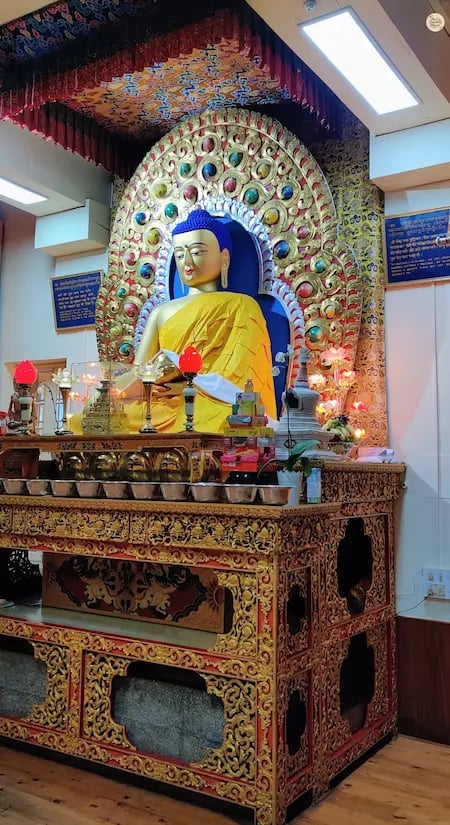
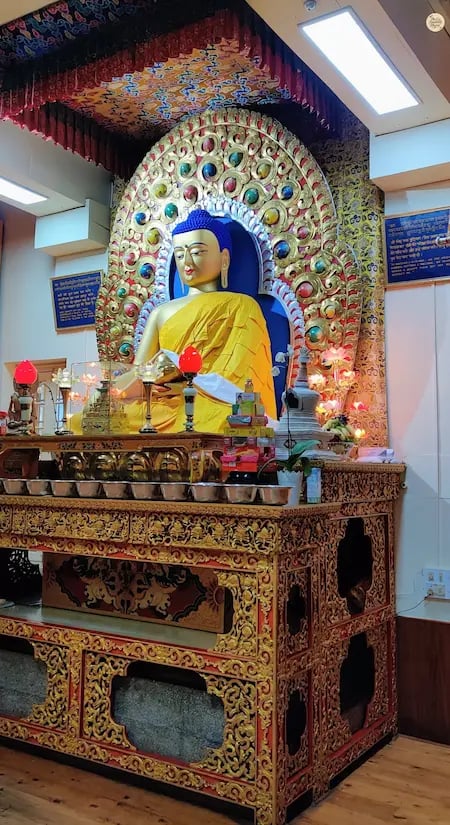
Where silence bows before the Buddha.
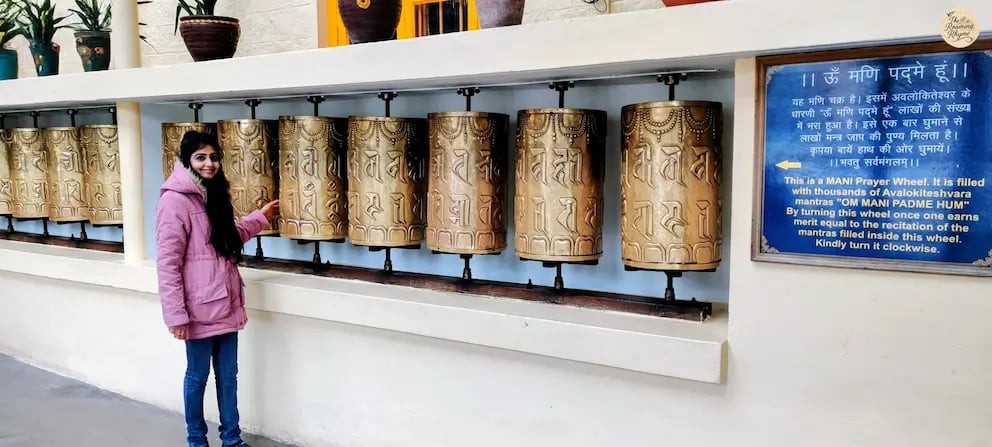
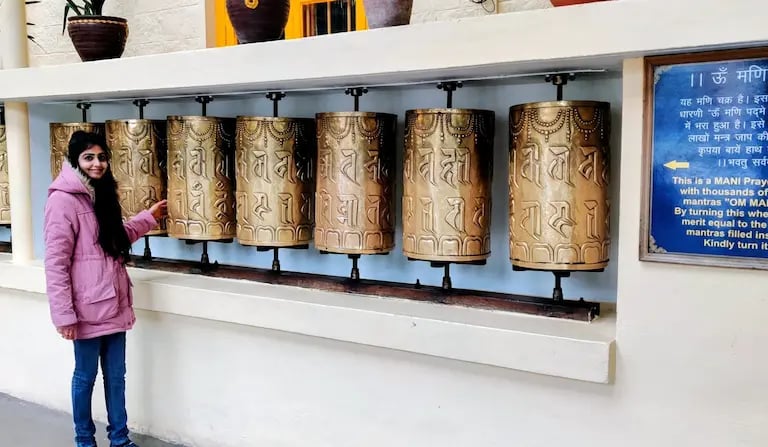
Sacred prayer wheels at Dalai Lama Temple, McLeod Ganj
Bhagsunag Temple & Waterfall – Mythology Meets Mountain Streams
A few kilometers from McLeod Ganj lies the charming village of Bhagsu, where nature, mythology, and history blend seamlessly. Begin at the Bhagsunag Temple, a sacred site dedicated to Lord Shiva↗ and Nag Devta (the Serpent God)↗. Though simple in appearance, the temple carries a spiritual weight that is hard to miss. Locals and pilgrims visit daily to offer prayers, and you can take a dip in the sacred pool, believed to have healing powers — a quiet, cleansing ritual before exploring further.
Bhagsunag is steeped in legend. Tales tell of King Bhagsu, who once drew water from the sacred Nag Dal Lake, angering Nag Devta. After a confrontation, the king repented, and the deity forgave him. To honor this reconciliation, the temple was built — and ever since, the area has retained a mystical aura.
From the temple, a short 1.5 km hike through lush greenery leads to the Bhagsunag Waterfall. Cascading nearly 30 feet over rocky cliffs, the falls offer a refreshing escape from the town’s bustle. Dip your feet, feel the cool mist, or sit on the rocks and listen to the soothing rush of water. During monsoon, the waterfall roars at full force, creating breathtaking views and perfect photo opportunities.
Along the trail, quirky cafés and tea stalls serve everything from hot Maggi noodles to steaming cups of chai — ideal for a snack or a pause to soak in the surroundings. Bhagsunag Temple and Waterfall are more than sightseeing spots; they invite you to slow down, breathe, and let the mountains whisper their timeless stories.
Holy kund at Bhagsunag Temple, McLeod Ganj
Trail leading to Bhagsunag Waterfall
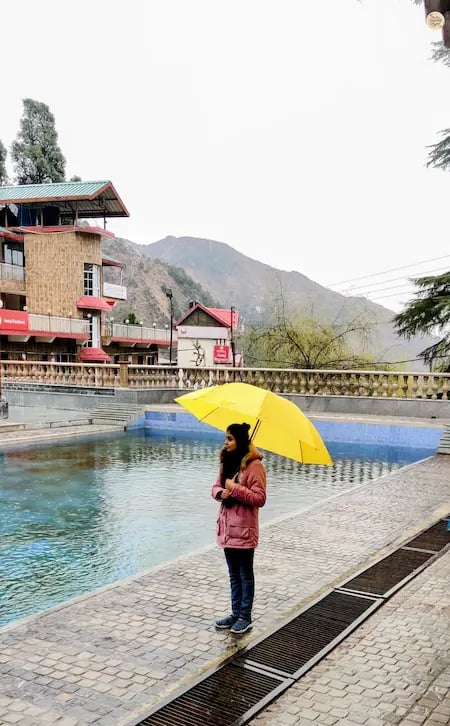
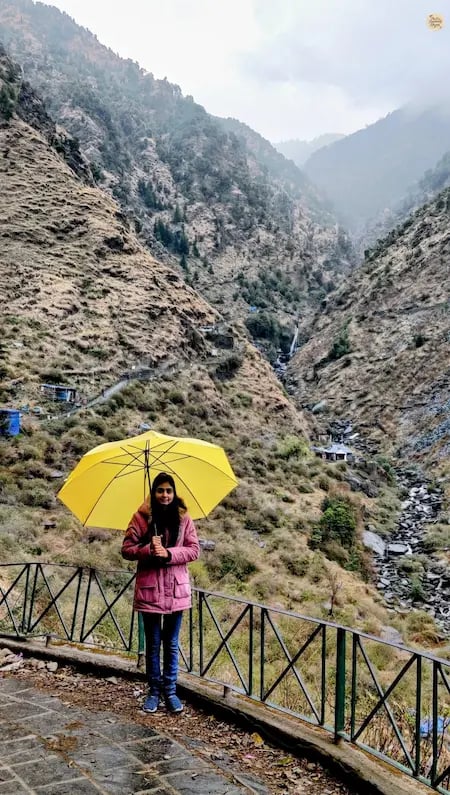
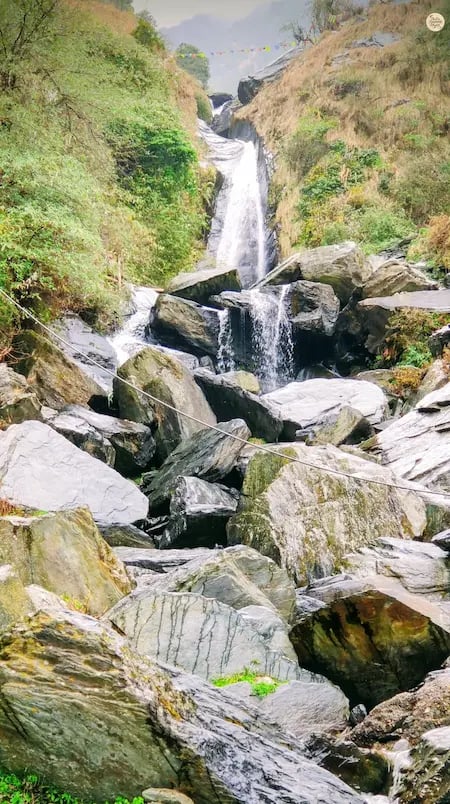
Bhagsunag Waterfall flowing over mountain rocks
Church of St. John in the Wilderness – A Colonial Church in Deodar Forests
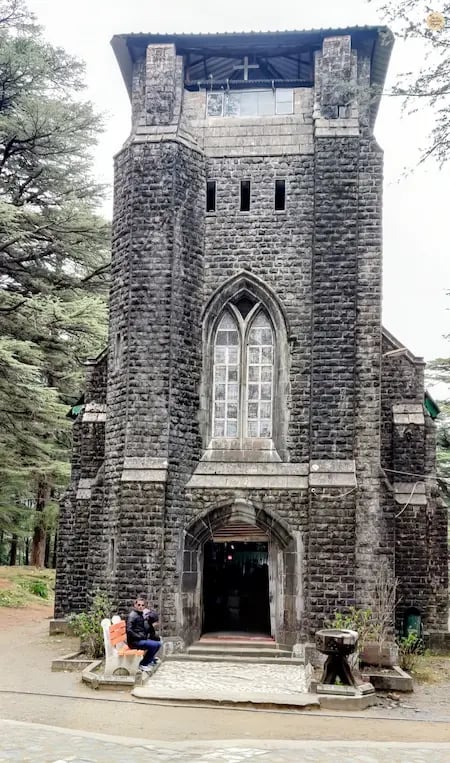
Imagine a mystical Anglican church, over 150 years old, not hidden in a city, but nestled within a serene deodar forest. Welcome to the Church of St. John in the Wilderness, where history, spirituality, and nature converge. Located on the way to Forsyth Gunj from McLeod Ganj Market, the church casts a quiet spell the moment you step into its tranquil world.
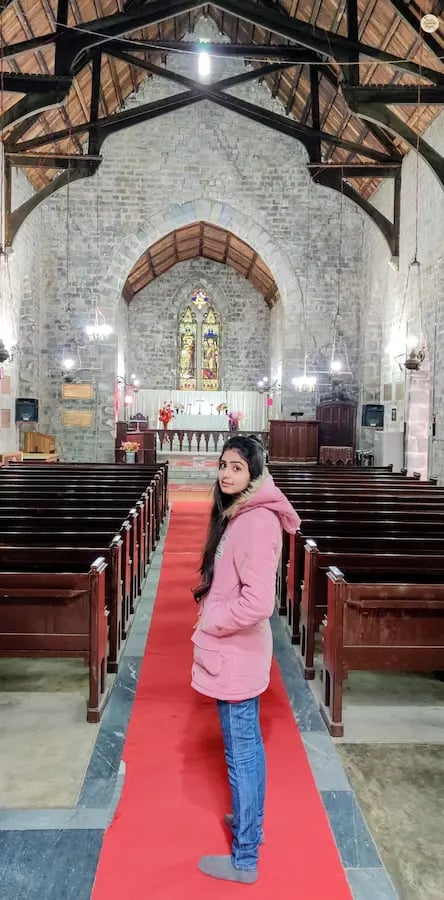
Built in 1852 and dedicated to John the Baptist↗, the church has gracefully withstood time, preserving nostalgia and understated beauty. Sunlight streams through the Belgian stained-glass windows, painting the neo-gothic interiors with color and light, while the soft toll of the bell echoes through the forest, inviting reflection and stillness — an experience that must be felt to be believed.
The church is both a spiritual retreat and a historical site. Behind it lies a small cemetery, including the grave of Lord Elgin, Governor-General and Viceroy of India in the 1860s, who died while vacationing in Dharamshala in 1863. His tombstone remains preserved, offering visitors a quiet connection to the past.
As you stroll through the forested surroundings, soak in the calm, admire towering trees, and imagine the stories whispered through the church walls. Visiting St. John in the Wilderness is more than sightseeing — it’s a moment to pause, reflect, and step into a timeless corner of McLeod Ganj.
St. John Church nestled in deodar forest
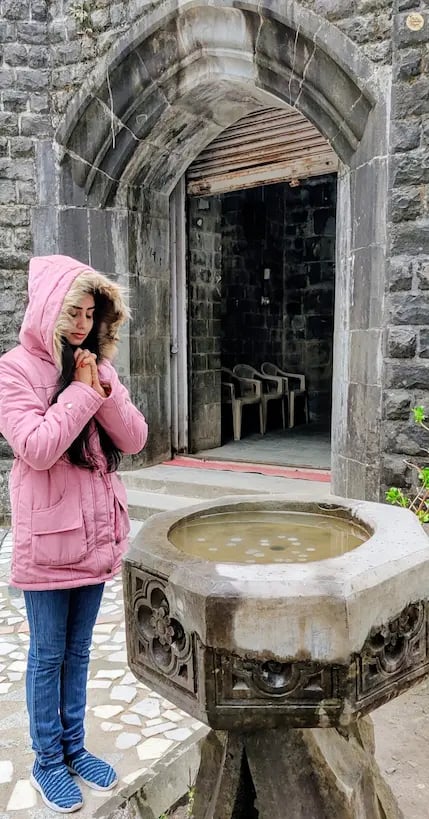
A gentle pause for wishes and prayers
Soft light and silence inside St. John’s Church
McLeod Ganj Market Walk – Cafés, Tibetan Crafts & Local Flavours
As the afternoon unfolds, wander into the bustling streets of McLeod Ganj Market, where the town comes alive in layers — monks passing cafés, Tibetan massage parlors tucked into narrow lanes, tattoo studios, and colorful handicrafts spilling onto the streets. Take your time exploring; every corner seems to hold a little surprise.
Notice the vibrant local wines — plum, apple, kiwi, and more — and for food lovers, the street eats are irresistible. Stop at Tibet Quality Bakery, where the friendly uncle tempts you with fresh treats, and don’t miss the steaming momos, perfectly spiced and soft.
In the heart of the market, the Kalachakra Monastery invites you to spin the prayer wheels. Locals say each spin is like reciting all prayers at once, and standing there, you can feel the quiet energy weaving through the crowd.
The McLeod Ganj market stretches across multiple lanes, offering everything from Tibetan souvenirs and winterwear to boutique shops and tiny street stalls. Walk at your own pace, pause at what catches your eye, and let the town reveal its charm gradually. The market isn’t just for shopping — it’s a place to experience McLeod Ganj life, full of colors, stories, and Himalayan energy waiting to be discovered.
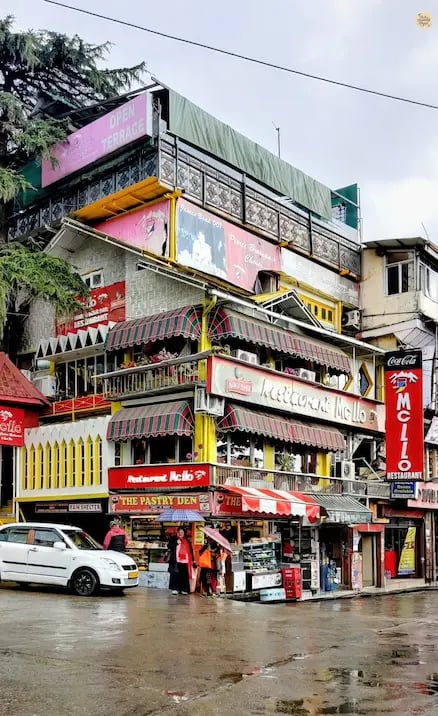
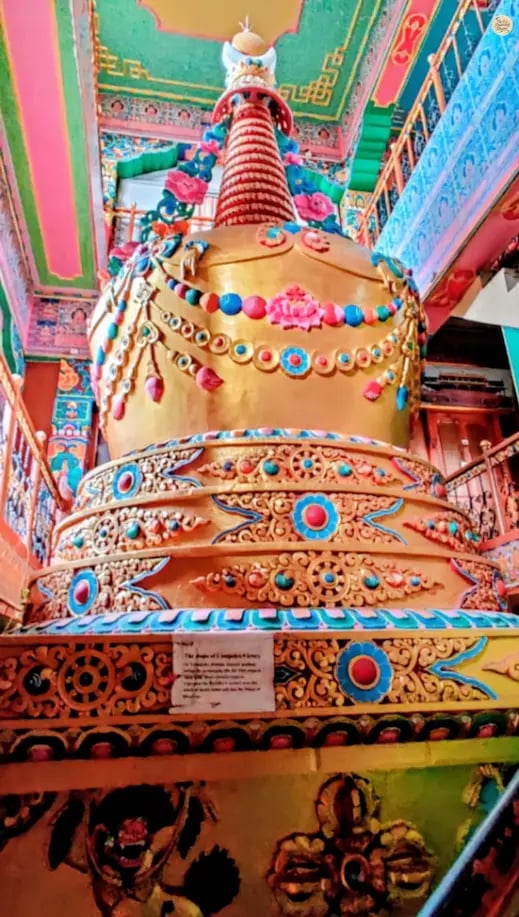
McLeod Ganj’s most vibrant corner
Spiritual calm and serenity at Kalachakra Temple
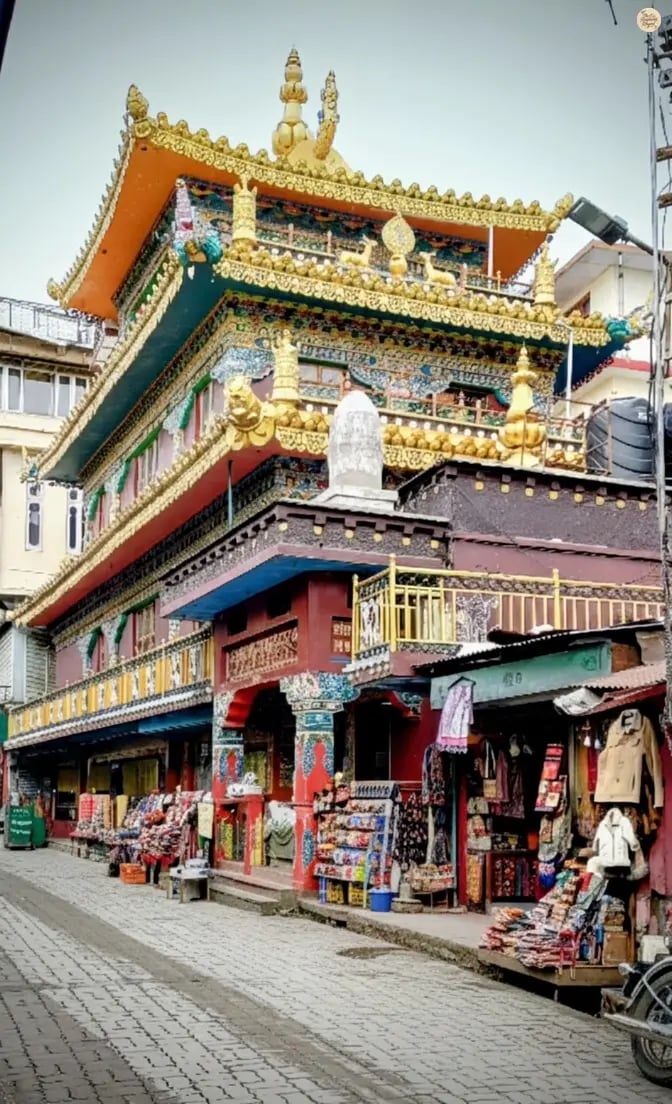
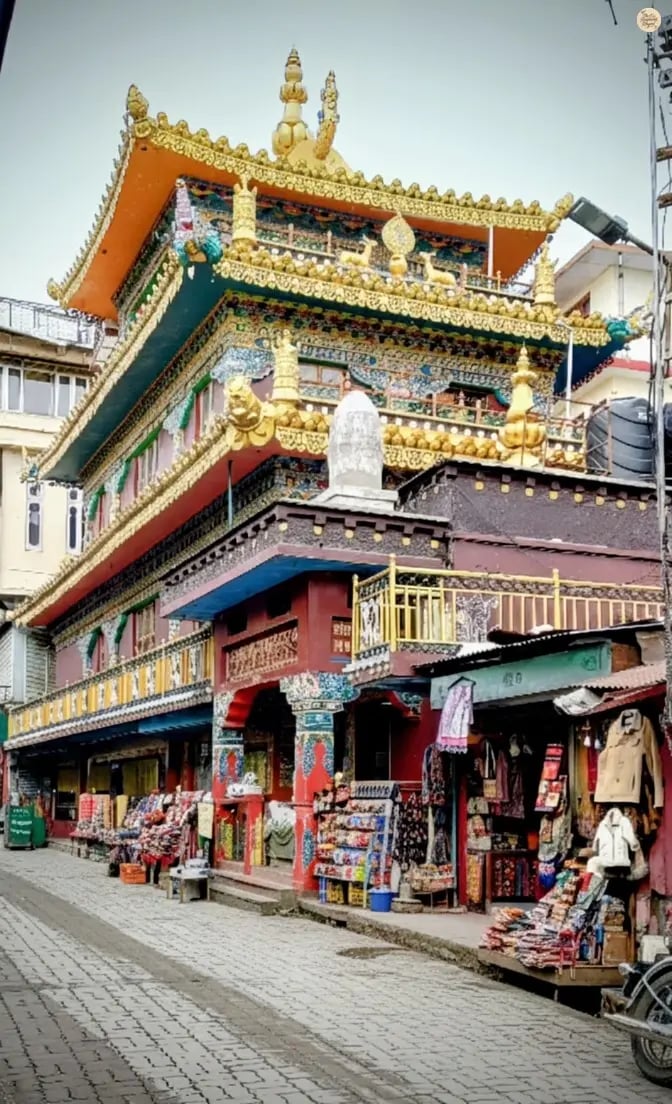
Kalachakra Temple, Spiritual heart of McLeod Ganj
Dal Lake Dharamshala – A Quiet Himalayan Lake Near McLeod Ganj
On your way from McLeod Ganj to Naddi Village for the sunset, make a peaceful stop at Dal Lake. Perched at 1,775 meters near Tota Rani, this small yet picturesque lake is a hidden gem in the Kangra district. Surrounded by rugged mountains, towering deodar trees, and lush greenery, it offers a serene oasis that invites you to pause and breathe.
Take a leisurely walk along the shore, watch colorful fish glide through the water, or simply sit and soak in the calm. For the adventurous, short treks around the lake combine gentle exercise with spectacular views. Dal Lake is also a perfect resting point before heading up to Naddi Village↗, letting you gather your thoughts and energy amid nature.
The lake isn’t just scenic — it carries a sacred aura too. A small Shiva Temple on its bank marks where Sage Durvasa↗ is said to have prayed to Lord Shiva↗. Every September, the Gaddi Tribe organizes a grand fair, celebrating Lord Shiva, bringing the lake alive with rituals, music, and colors.
Tranquil, quaint, and timeless, Dal Lake is a perfect pause in your day. Stop here, inhale the fresh mountain air, watch the still waters, and feel the Himalayan calm before continuing to Naddi Village for the golden sunset.
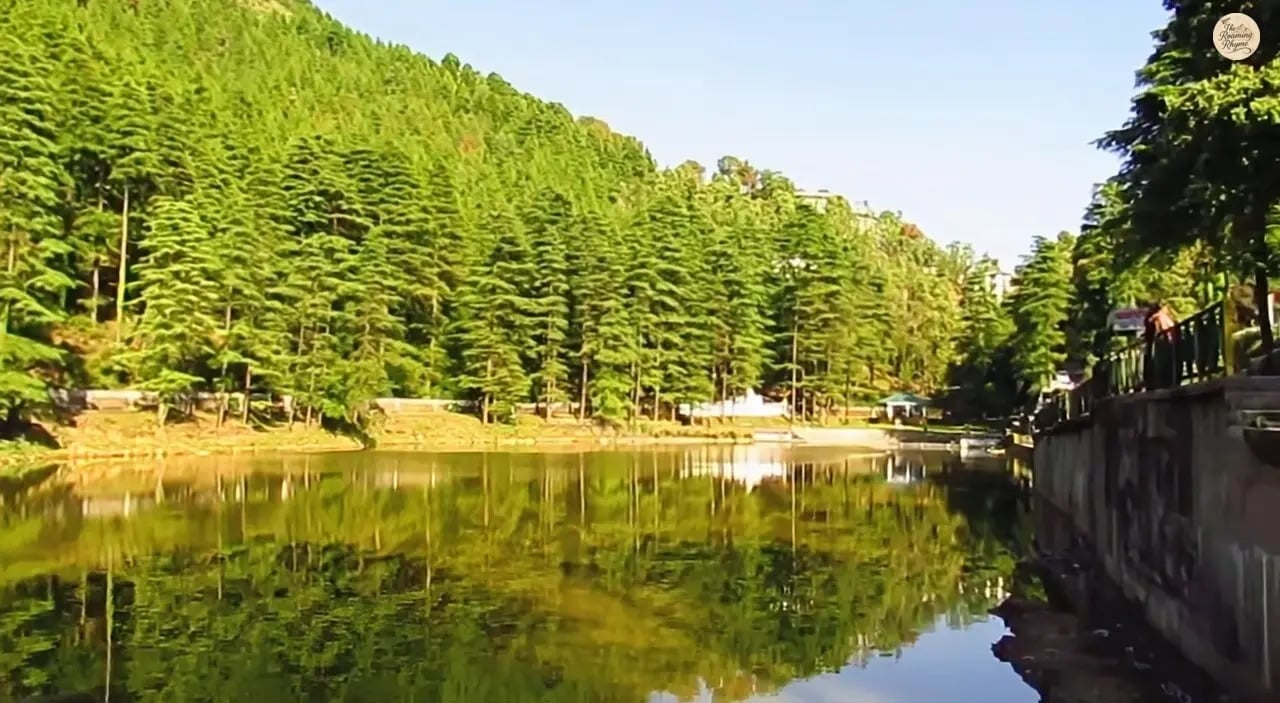
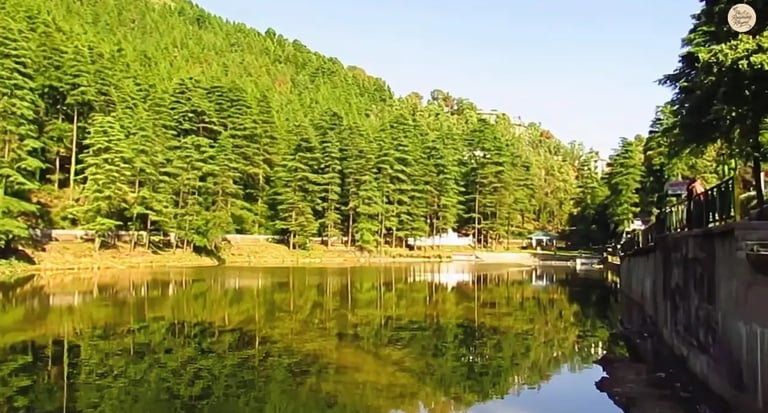
Dal Lake: calm waters reflecting the Dhauladhar peaks
Naddi View Point – Best Sunset View of the Dhauladhar Range
End your first day with a visit to Naddi Village, just 3 km from McLeod Ganj, and prepare for a sunset that will linger in your memory. The Sunset Point here offers an effortless view of the majestic Dhauladhar Range↗, with no trekking required — just pure, serene mountain magic.
As you arrive, notice the calm of the village. Naddi is home to the Gaddi People, known for their colorful culture, warm hospitality, and unique language. Towering pines, Himalayan oaks, and blooming rhododendrons frame the village, creating a quiet sanctuary away from town’s bustle.
When the sun begins to set, the view unfolds in layers — snow-clad peaks, green valleys, and a sky shifting from orange to pink to purple, as if painted just for you. Take a deep breath, let the colors sink in, and enjoy the gentle hush of the mountains.
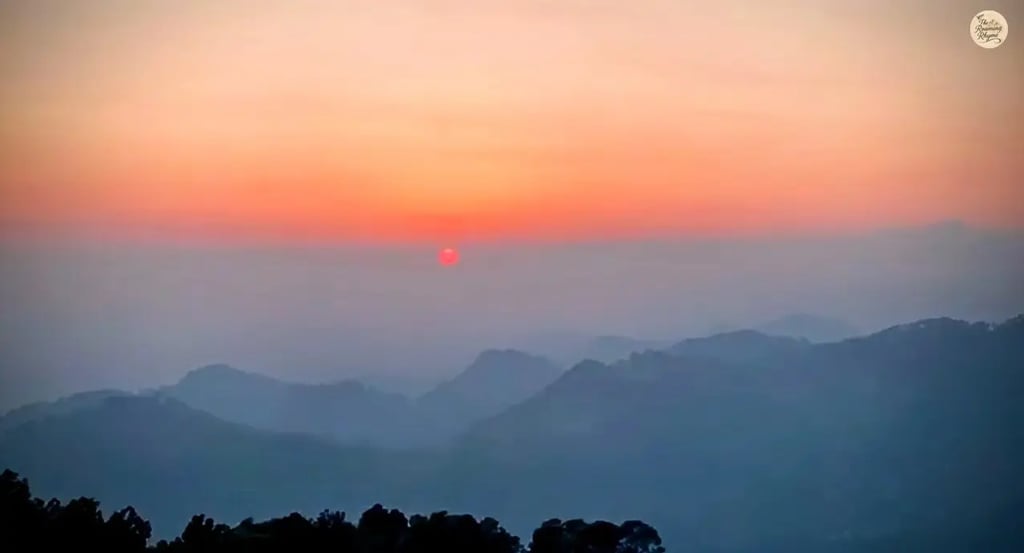
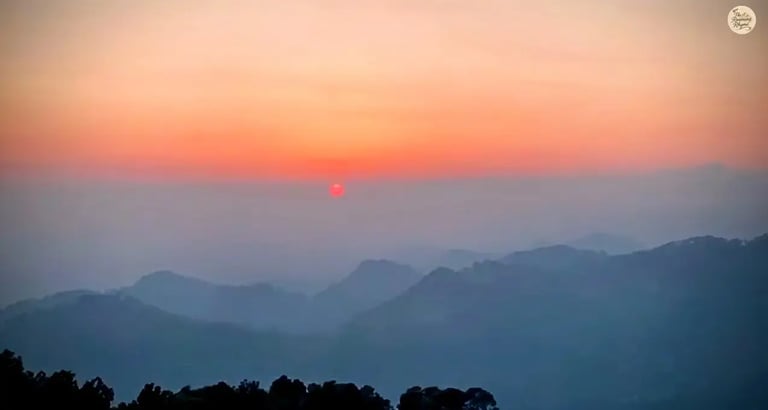
Sunset magic over Naddi’s clouds and peaks.
Naddi’s golden hour in the heart of Himachal.
Even before sunset, Naddi is perfect for wandering forested trails, relaxing, or simply soaking in the serene Himalayan atmosphere. It’s an ideal close to Day 1 in McLeod Ganj and Dharamshala — a moment to pause, reflect, and hear the mountains whisper their stories.
Once the sun dips behind the snow-capped peaks, return to your accommodation to rest and recharge. Day 2 awaits with the Triund Trek and a visit to Dharamkot, promising adventure, breathtaking views, and memories that last a lifetime.
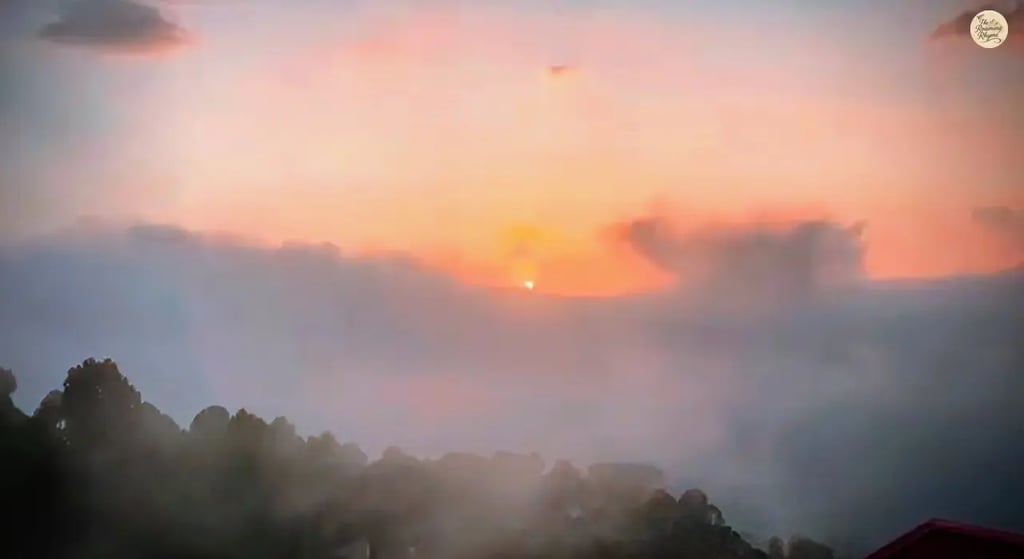
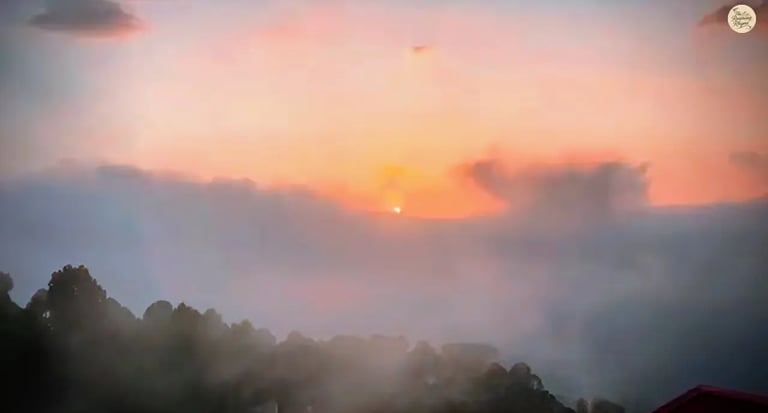
Day 2 – Triund Trek & Dharamkot — Trails, Cafés & Slow Living
Day 2 brings adventure and Himalayan vistas. Begin with the Triund Trek↗, soaking in panoramic views of the Dhauladhar range, lush forests, and serene valleys. After descending, wander through Dharamkot↗, the “mini-Israel,” with its cozy cafés, laid-back lanes, and perfect sunset spots.
This day blends McLeod Ganj trekking trails with hillside charm, offering both thrilling mountain adventure and tranquil mountain village experiences.
Triund Trek from McLeod Ganj – Best Short Himalayan Trek in Himachal
For a true Himalayan adventure near Dharamshala, the Triund Trek is perfect — no long expeditions required, just pure mountain magic. Rising above McLeod Ganj and Dharamshala, the trek offers panoramic views of the Kangra Valley and the snow-capped Dhauladhar ranges, making every step picture-perfect for hikers and nature lovers alike.
Most trekkers begin from Dharamkot village, where the trail winds through thick pine and rhododendron forests. Alternatives include McLeod Ganj, Bhagsu, or Naddi, but the Dharamkot route is quieter, more scenic, and ideal for those seeking peaceful Himalayan trails. Start early to avoid the midday sun, especially on the first stretch.
From Dharamkot, the path climbs past the water tank near the government primary school and enters dense forest. Within half an hour, you reach the Galu Temple clearing, a small shrine with a cozy tea shop offering local snacks. The main trail continues through oak and rhododendron groves, with birdsong composing a magical soundtrack for every step.
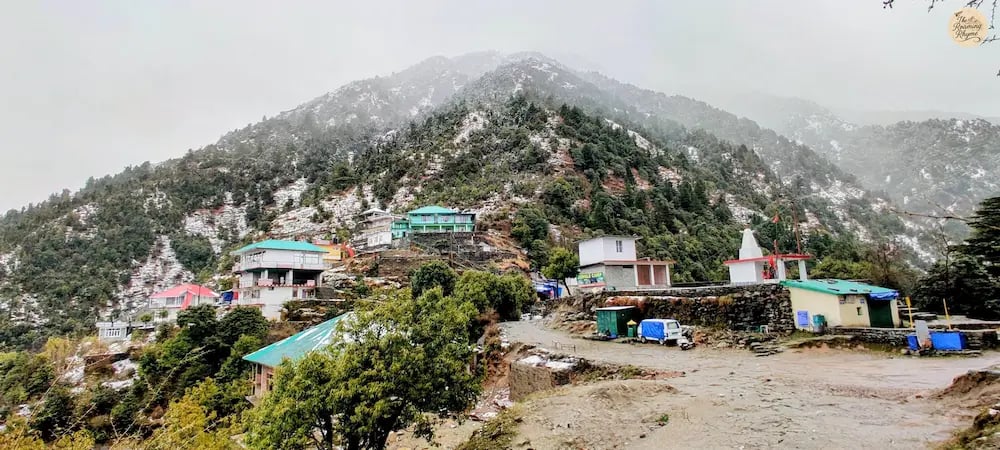
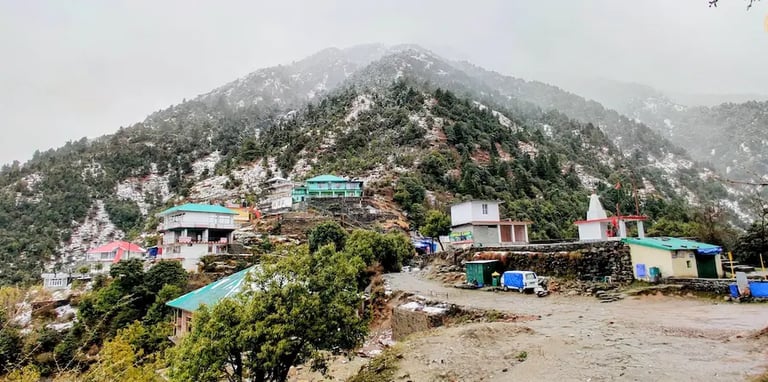
Galu Mata Temple, the trek’s gentle beginning.
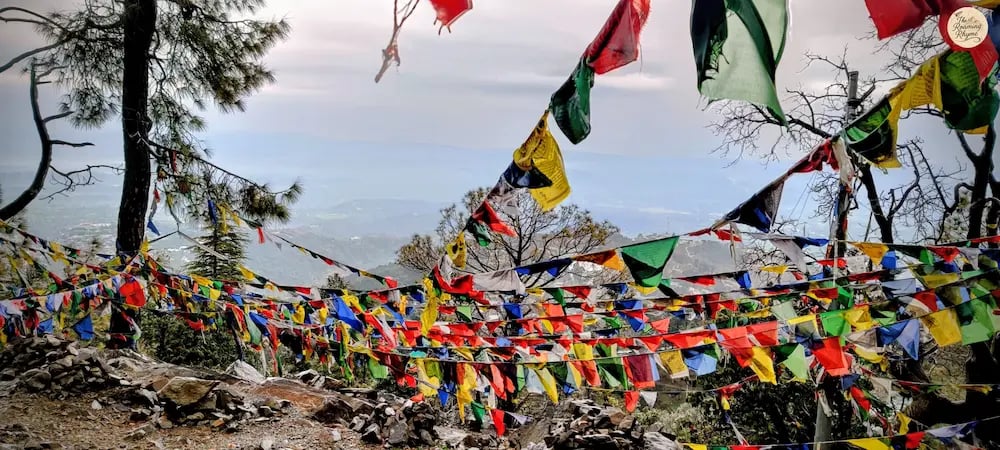
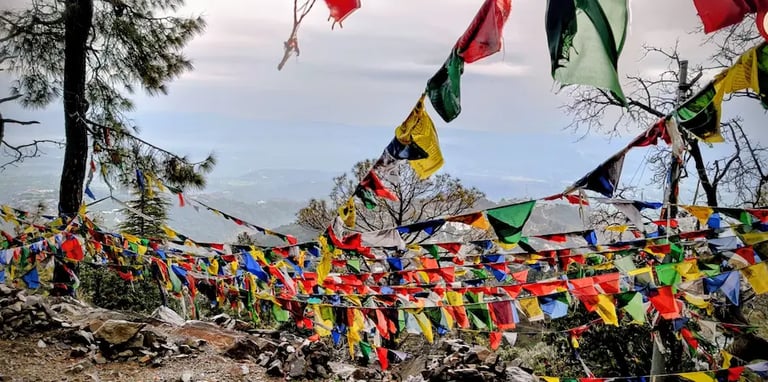
Where prayers move with the mountain wind.
The trek is moderately steep at times but manageable, with railings at tricky spots and dhabas along the way serving hot tea and snacks. The pyramidal peak of Mun emerges dramatically as the trail twists through 22 bends, each offering fresh forested perspectives. Magic View Café, halfway up, is a perfect spot to pause, sip tea, and admire the mountains.
The final stretch opens onto the Triund ridge, a grassy plateau that stretches south before plunging into the Kangra Valley. The views here are vast, the air crisp, and camping spots dot the ridge. Small tea shops provide light provisions, though carrying extra water and snacks is recommended.
For trekkers with extra time and energy, the trail can continue to Lahesh Cave via Laka, the base camp for Indrahar Pass (14,250 ft). A tea house at Laka offers rest, but additional supplies are essential for the onward journey. Return is easier — retrace the trail, soaking in forest paths, mountain cafés, and sweeping valley vistas once more.
The Triund trek from McLeod Ganj is more than a hike — it’s a journey through forested trails, along ridges, and into wide-open Himalayan skies. Every bend, birdcall, and snow-capped vista reminds you why Dharamshala hiking trails leave a lasting impression long after your boots touch the valley floor.
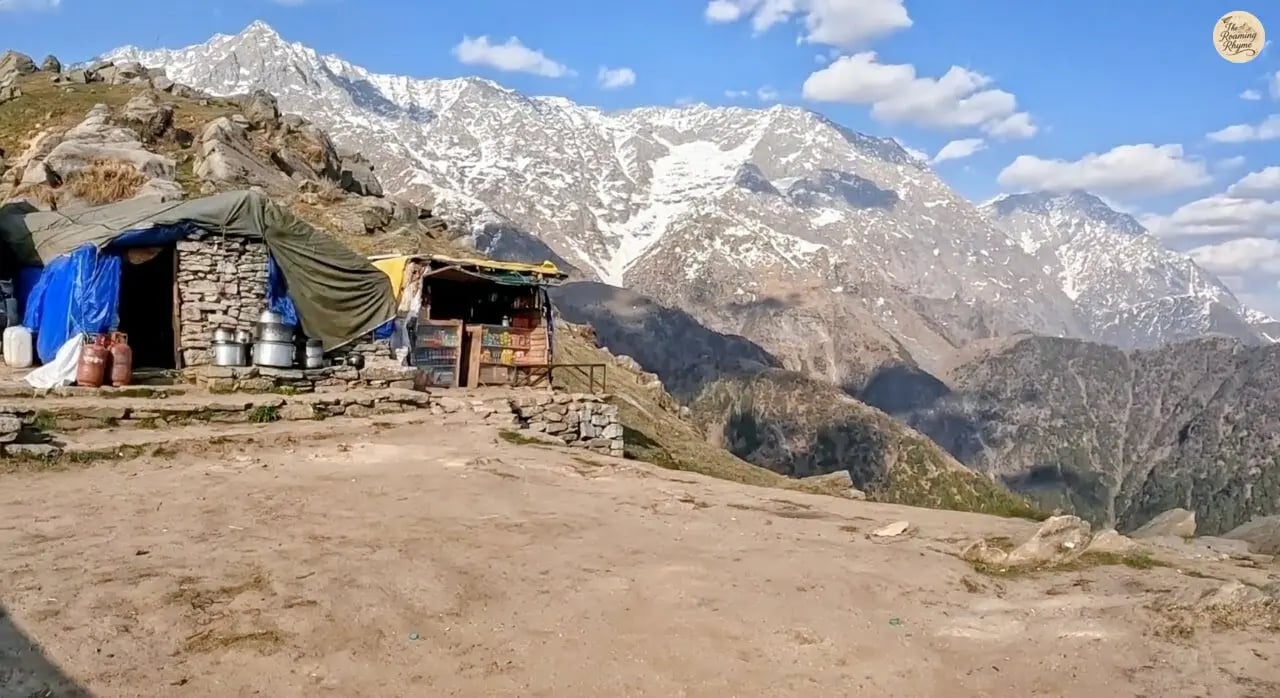
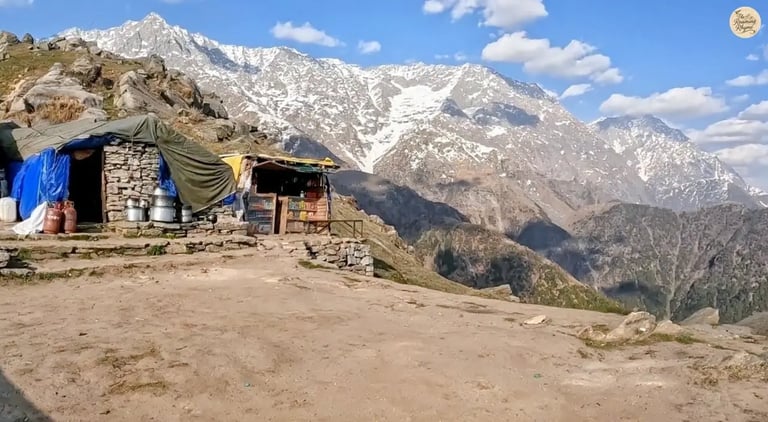
A small eatery with big mountain views.
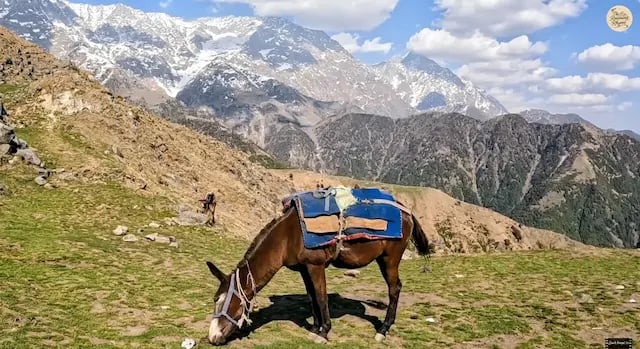
Pony resting where the trail meets the sky.
Dharamkot Village – A Peaceful Escape Above McLeod Ganj
After descending from the Triund Trek, your body asks for rest — and Dharamkot village responds gently. Nestled in the foothills of the Dhauladhar range near McLeod Ganj, this quiet Himalayan hamlet invites you to slow down, breathe deeper, and let the mountains set the pace.
Unlike its busier neighbors, Dharamkot isn’t loud or hurried. Quiet lanes, forest trails, and open mountain views shape a mood of calm. Time feels softer here, almost unbothered, and that unspoken stillness is what makes the village special for travelers seeking peace.
What stays with you most is the warmth of the people. Locals greet you with easy smiles, making it effortless to feel at home. Dharamkot reflects a gentle blend of Hindu, Buddhist, and Sikh cultures, visible in small temples, monasteries, and everyday rituals woven naturally into village life.
Food becomes part of the journey. Cozy cafés in Dharamkot, many with balcony views of the Himalayas, serve comforting Himachali dishes like Siddu, Madra, and Thukpa, alongside global flavors shaped by backpackers and long-term travelers — Hummus, Shakshuka, vegan desserts, and endless cups of masala chai. Dharamkot feeds both hunger and curiosity.
As evening settles in, the village hums softly. Live music drifts from cafés, guitars tune up, and conversations stretch into the night. Jam sessions and small workshops invite you to listen, linger, or quietly join in.
Dharamkot doesn’t demand anything from you. It simply asks you to stay present — walk a little, eat slowly, watch clouds shift across the mountains. Somewhere between the pine forests and café balconies, you’ll realize this is exactly where you needed to be.
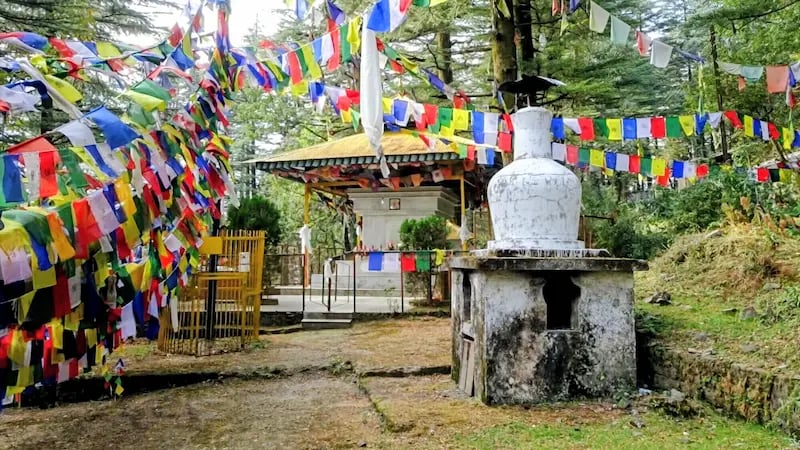
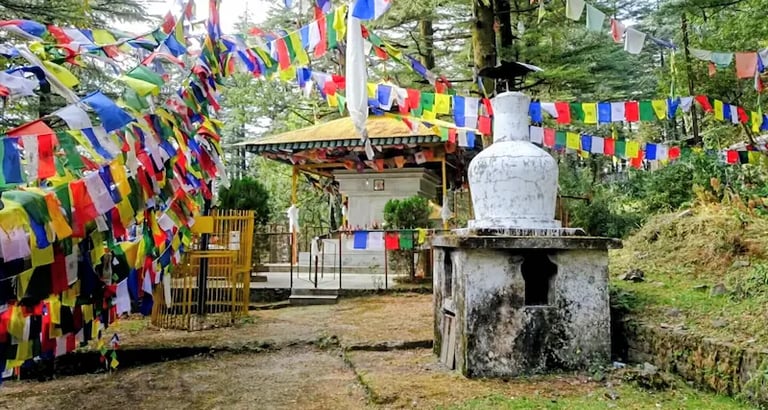
Serenity flows through Dharamkot village

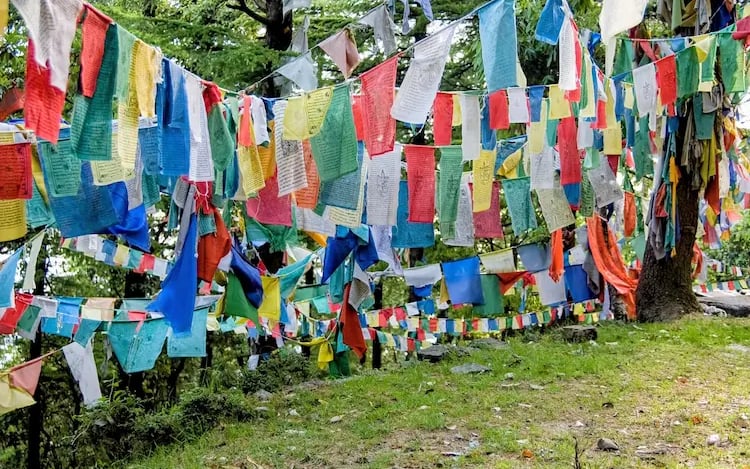
Colors of faith flutter over Dharamkot
(Image by Kiran Jonnalagadda, licensed under CC BY-SA 2.0, via Wikimedia Commons)
Mini Israel of Dharamkot – Cafés, Culture & Israeli Influence
As you wander through Dharamkot village, something unexpected unfolds — the mountains begin to speak Hebrew. This quiet hillside hamlet near McLeod Ganj has gently earned the nickname “Mini Israel,” and it doesn’t take long to understand why.
Over the years, Dharamkot has become a familiar pause for Israeli travelers in Himachal, drawn by the same things that draw everyone here — slow mountain days, crisp Himalayan air, and a deep sense of freedom. At the heart of the village stands the Chabad House↗, a Jewish community center reminiscent of 770 Eastern Parkway, offering warmth, tradition, and a feeling of home far from home.
Step into the cafés and the menu tells its own story. Falafel, Shakshuka, Hummus with Warm Pita — flavors of the Levant now feel perfectly at ease against a Himalayan backdrop. Locals, shaped by years of shared conversations and friendships, greet travelers in fluent Hebrew. Hebrew signboards, keyboards in internet cafés, and small cultural details quietly bridge two distant worlds.
During Rosh Hashanah↗, the village comes alive with prayers, shared meals, and heartfelt ceremonies — a reminder that Dharamkot isn’t just a stop on a backpacking route, but a place where traditions travel and take root.
Though the flow of Israeli travelers slowed after 2023, the imprint remains — woven into the cafés, language, and everyday rhythm of the village. Today, Dharamkot stands as a gentle crossroads of cultures, where Himalayan silence meets Middle Eastern warmth, and travelers from different worlds find common ground beneath the same mountain sky.
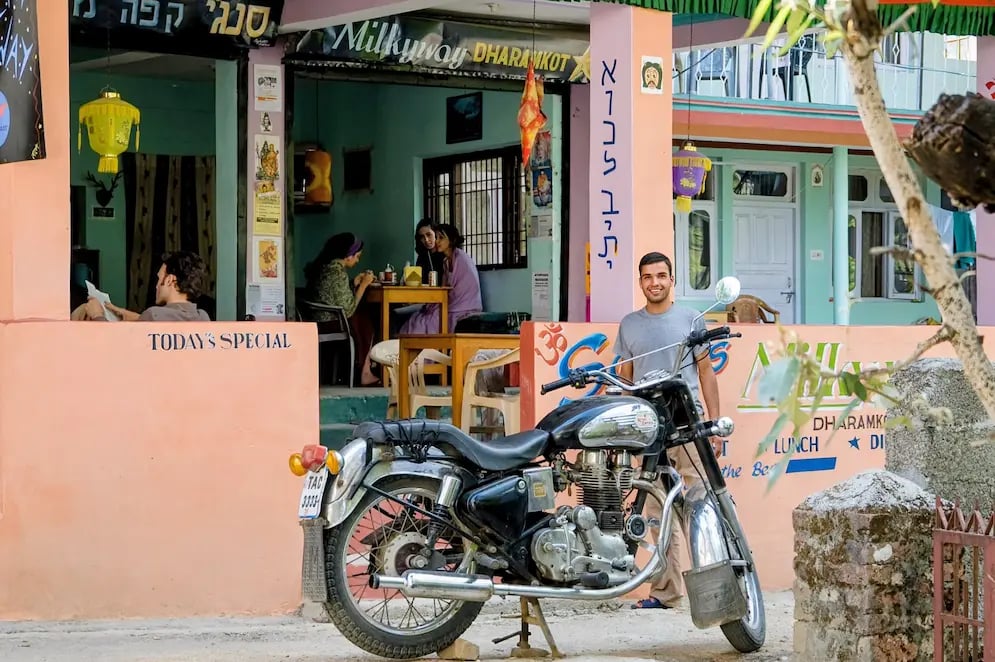
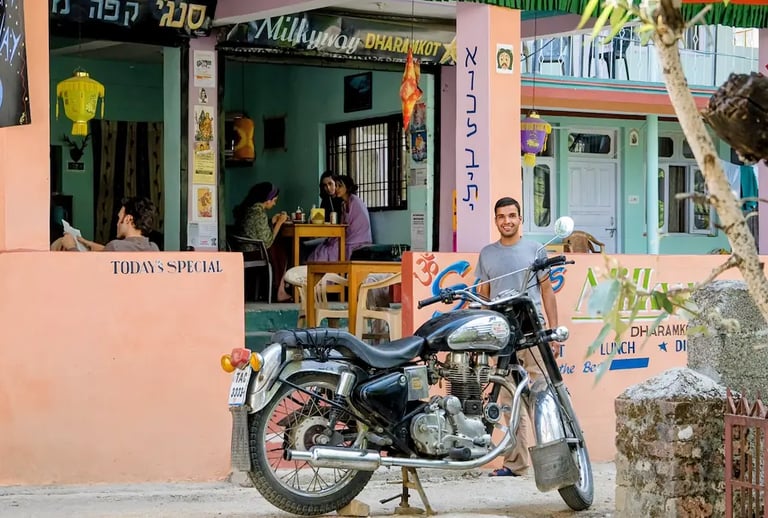
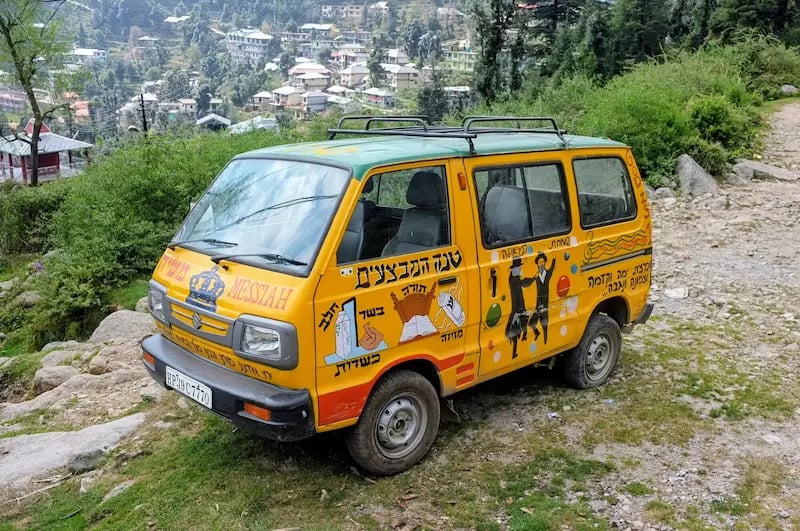
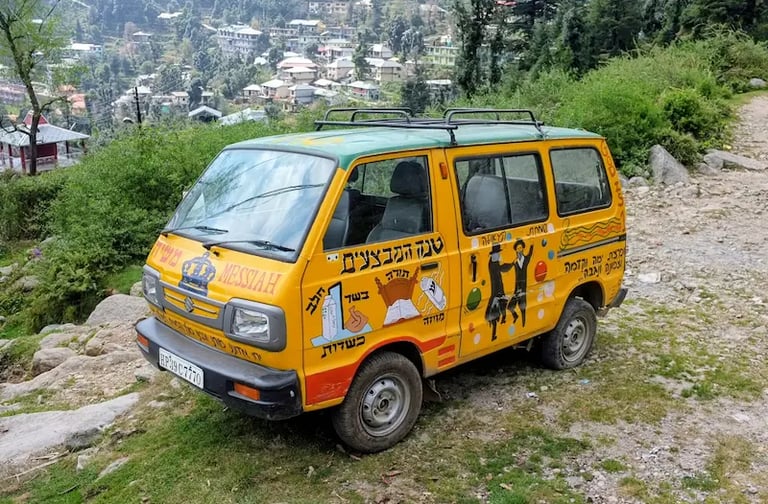
Dharamkot lanes with Hebrew touches
(Image by Kiran Jonnalagadda, licensed under CC BY-SA 2.0, via Wikimedia Commons)
Dharamkot’s Mini Israel vibe on wheels
(Image by Aleksandr Zykov, licensed under CC BY-SA 2.0, via Wikimedia Commons)
Tushita Meditation Centre – Buddhist Meditation Retreat in Dharamshala
After wandering the quiet lanes of Dharamkot, pause a little deeper at the Tushita Meditation Centre, one of the most meaningful places to visit near McLeod Ganj. Set on a forested hillside above town, Tushita feels like the mountains gently inviting you to slow down, breathe, and turn inward.
Founded in 1972, Tushita is a well-known center for the study and practice of Tibetan Mahayana Buddhism↗. Travelers from around the world arrive here not as tourists, but as seekers — drawn by meditation teachings, spiritual clarity, and inner calm. Whether you attend a short introductory meditation session or join a longer residential retreat, the experience feels grounding, honest, and deeply human.
The atmosphere is quietly comforting. Prayer flags flutter between tall pine trees, forest paths remain hushed, and the still mountain air settles into you without effort. You don’t need prior experience — beginners are warmly welcomed, and the teachings are shared in a simple, thoughtful, and accessible way.
Think of Tushita as a gentle mental and spiritual detox. Sit in silence, join a guided meditation, or walk slowly around the campus, letting the forest views and Himalayan backdrop do their quiet work.
As you leave, the world feels lighter — not because all the answers appear, but because the noise fades. This is how Day 2 in Dharamshala softly comes to a close. Head back to your stay, stretch tired legs, sip warm tea, and rest well. Day 3 arrives with a different rhythm — exploring Dharamshala town, its monasteries, temples, markets, and mountain views, where the final chapter of your journey gently unfolds.
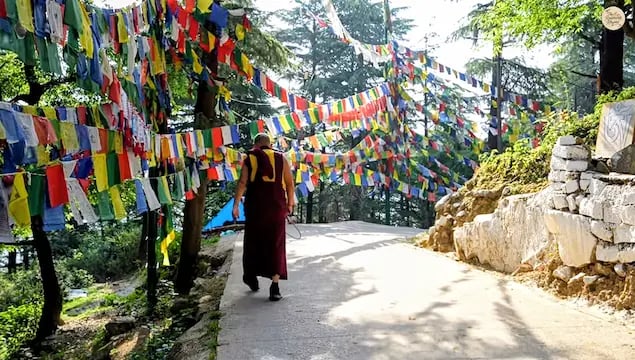
Tushita Meditation Centre: A quiet space for mindful moments
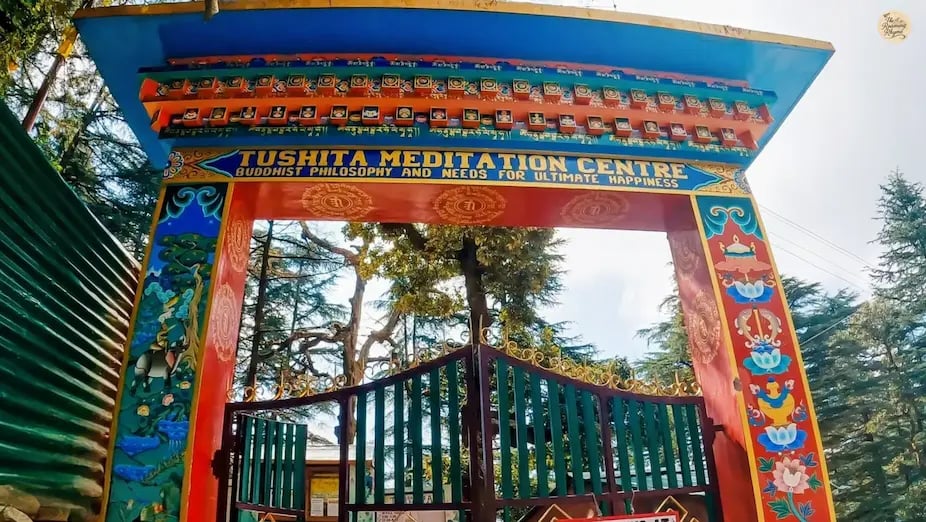
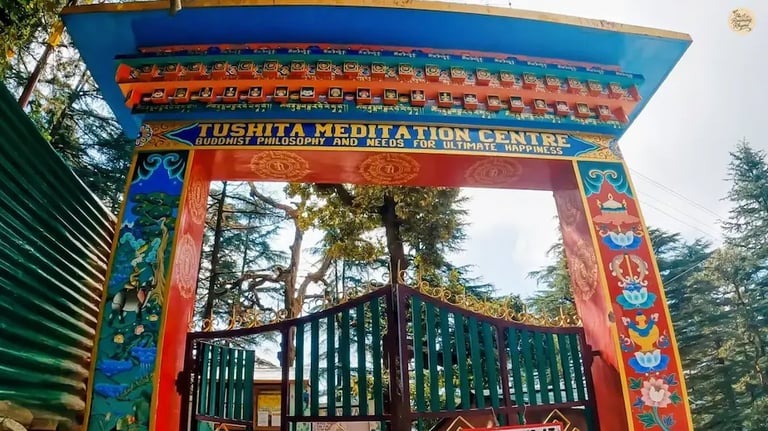
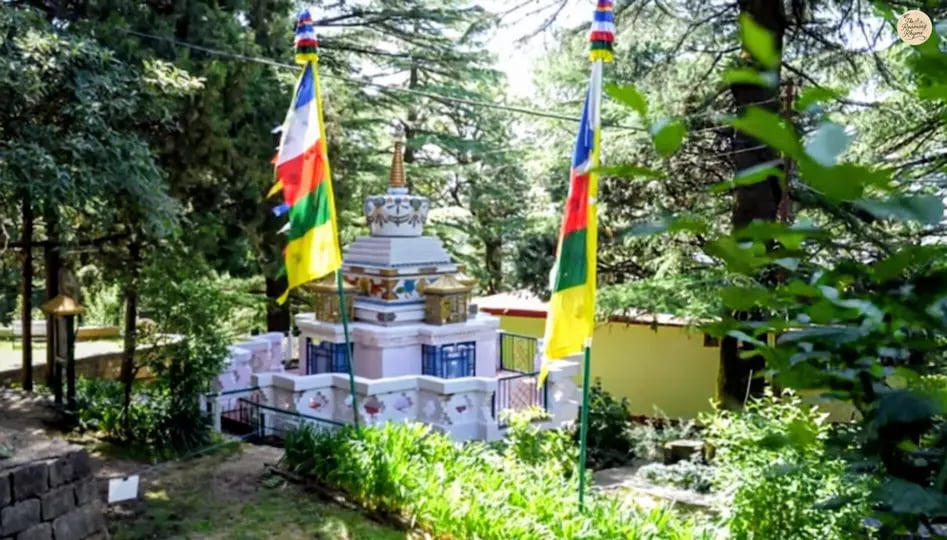
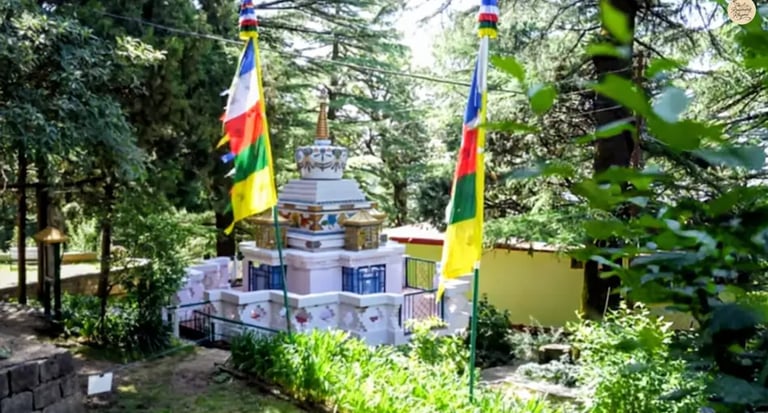
Calm moments beneath prayer flags.
Space to pause, breathe, and reflect
Day 3 – Dharamshala Sightseeing — Monasteries, Stadiums & Tea Gardens
Day 3 slows the pace. Explore Dharamshala town — from the iconic HPCA Cricket Stadium↗ and peaceful Buddhist Monasteries↗ to rolling Tea Gardens of Kangra Valley↗ and quiet hillside views.
Move at an easy rhythm, soak in local stories, and enjoy still moments with the Himalayan mountains close by, bringing your Dharamshala travel itinerary to a serene close.
Dharamshala Skyway Ropeway – Scenic Cable Car Between Upper & Lower Town
Begin Day 3 with a fresh perspective — quite literally — aboard the Dharamshala Skyway, one of the newest and most scenic things to do in Dharamshala. By now, you’ll have sensed that the town moves in two rhythms. Upper Dharamshala, known as McLeod Ganj, carries a spiritual calm shaped by the presence of His Holiness the Dalai Lama↗, while Lower Dharamshala hums with markets, streets, and everyday mountain life.
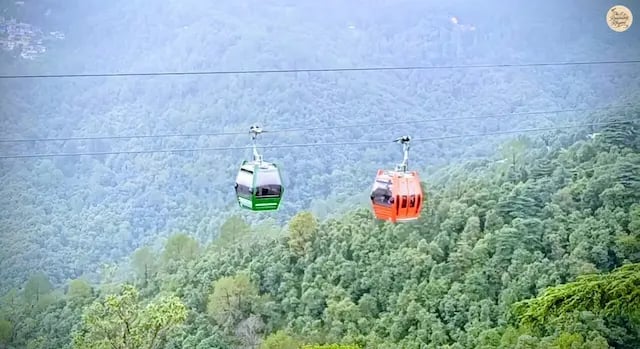
The Dharamshala ropeway connects these two worlds with quiet grace. Starting near the Dalai Lama Temple, this European CEN-standard cable car descends nearly 362 meters, gliding smoothly down to Kotwali Bazaar in the heart of Lower Dharamshala — all within a few relaxed minutes.
As the cabin lifts off, the town slowly drifts away beneath you. Pine forests spread out, valleys widen, and the Dhauladhar Range rises clearly on the horizon. The ride feels less like transport and more like a pause — a chance to watch Himachal Pradesh unfold from above, unhurried and serene.
Floating between sky and earth, you see Dharamshala for what it truly is — a place where spirituality and daily life flow side by side, connected by mountains, stories, and now, a gentle glide through the air.
A smooth ride between Upper and Lower Dharamshala
Gyuto Monastery – Tantric Buddhist Monastery with Dhauladhar Views
Next, take a short drive of about 10 kilometers from Dharamshala town to one of the most peaceful places to visit in Dharamshala — Gyuto Monastery. Revered worldwide for its study of Tantric meditation and Tibetan Buddhist philosophy, this monastery reveals a quieter, more contemplative side of Dharamshala’s spiritual landscape.
Established in India in 1959, Gyuto Monastery Dharamshala was founded to preserve the ancient Tantric teachings of Je Tsongkhapa. Often misunderstood as mystical practices, Tantric Buddhism here focuses on discipline, compassion, and the well-being of all beings — a reminder that true wisdom is subtle, grounded, and deeply human.
Gracefully perched on a hilltop, the monastery opens up to sweeping views of the Dhauladhar Range, with the gentle curves of the Beas River flowing below. This elevated setting makes Gyuto one of the most serene Buddhist monasteries in Dharamshala, naturally encouraging visitors to slow their steps and breathe deeper.
One of the first sights to draw your eyes is the Gold-Plated Statue of Lord Buddha, glowing softly as sunlight touches it, especially in the early morning hours. Monks move quietly through the complex, prayer flags flutter in the mountain breeze, and a calm presence settles in — lingering long after you leave.
Gyuto Monastery isn’t just a sightseeing stop; it’s a place to pause. Sit for a while, take in the Himalayan mountain views, and let the silence speak. In a journey full of movement, this monastery gently reminds you of the beauty of simply being.
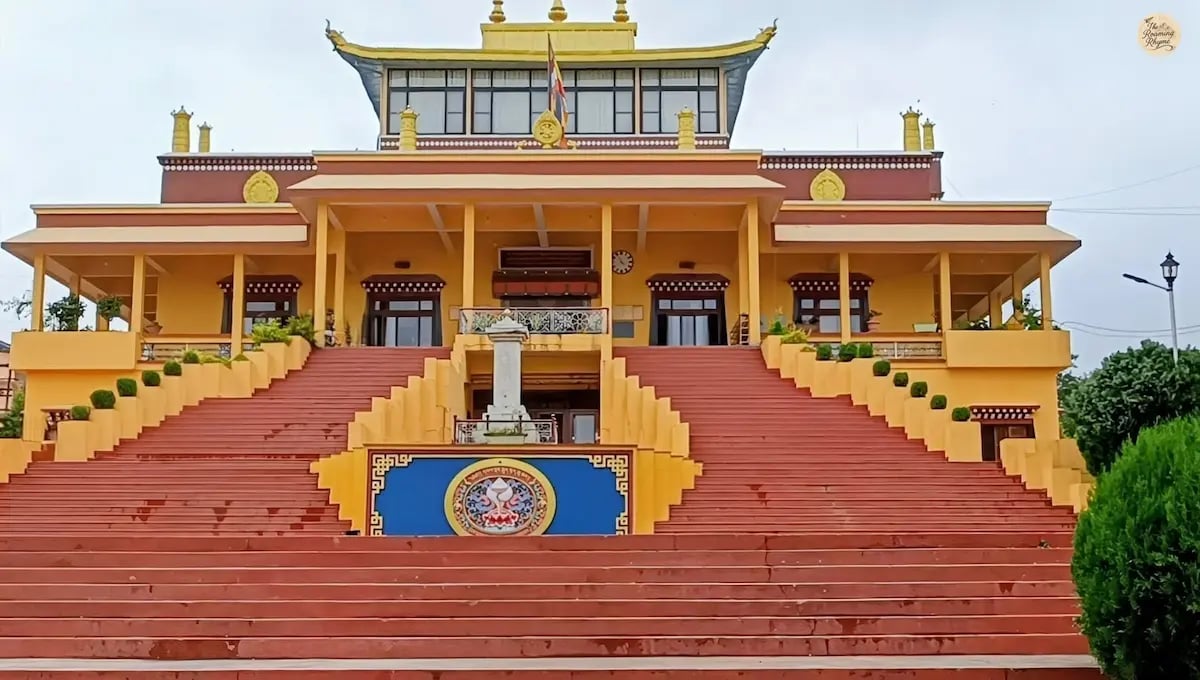
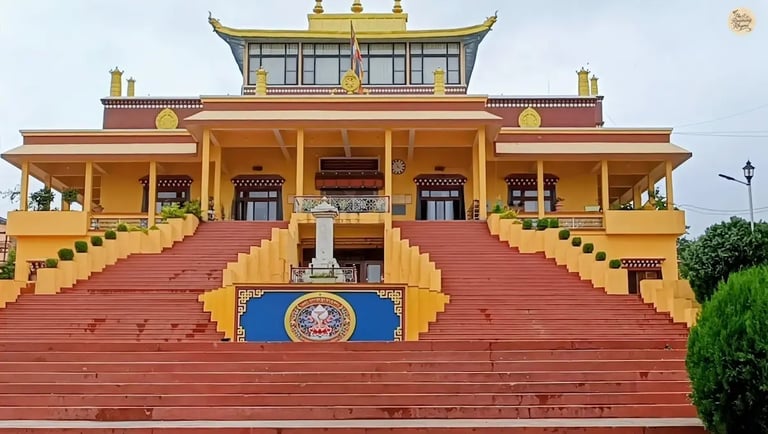
Golden calm under the Dhauladhar skies
Aghanjar Mahadev Temple – Ancient Shiva Temple Near Dharamshala
A short drive further into the hills brings you to one of the most peaceful spiritual places in Dharamshala — a space so calm it feels as though time itself has slowed down. Hidden in the quiet valleys of Khaniyara village, the Aghanjar Mahadev Temple is more than a religious stop; it is a meeting point of legend, nature, and stillness.
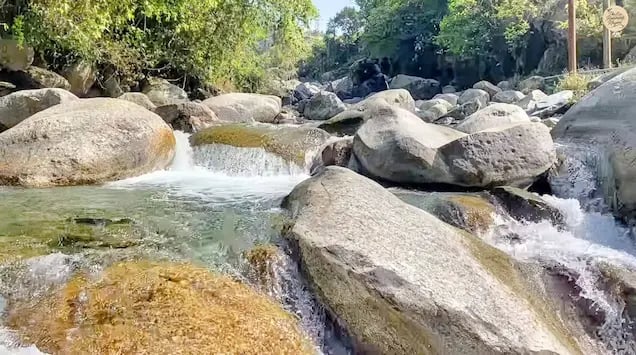
Situated at the foothills of the Dhauladhar Range, this ancient Shiva temple near Dharamshala is believed to be over 500 years old. Dense forests surround the complex, mountains stand in silent guard, and just behind the temple, a gentle waterfall flows endlessly, filling the air with a soft, meditative rhythm. Nearby, a small cave shelters a sacred Shivling, inviting visitors to pause, bow, and breathe.
The atmosphere here feels deeply grounding. Sit for a while, listen to the water, and let the Himalayas do their quiet work. This is one of those hidden places to visit in Dharamshala where photography happens effortlessly — not because you seek frames, but because beauty keeps revealing itself.
The soul of the temple is steeped in mythology. According to local legends and ancient texts, during the Mahabharata era, Arjun, the Pandava prince↗, performed intense tapasya here. Seeking Lord Shiva’s blessings, he meditated in this very region to obtain the divine Pashupati Astra.
Moved by his devotion, Lord Shiva appeared in disguise, testing Arjun through battle before revealing himself and granting the celestial weapon. It is believed this sacred encounter took place at Aghanjar Mahadev, giving the temple its powerful spiritual presence.
As you leave, there’s no hurry. You carry the silence with you — the sound of flowing water, the weight of ancient stories, and the calm that only such sacred places in Dharamshala know how to offer.
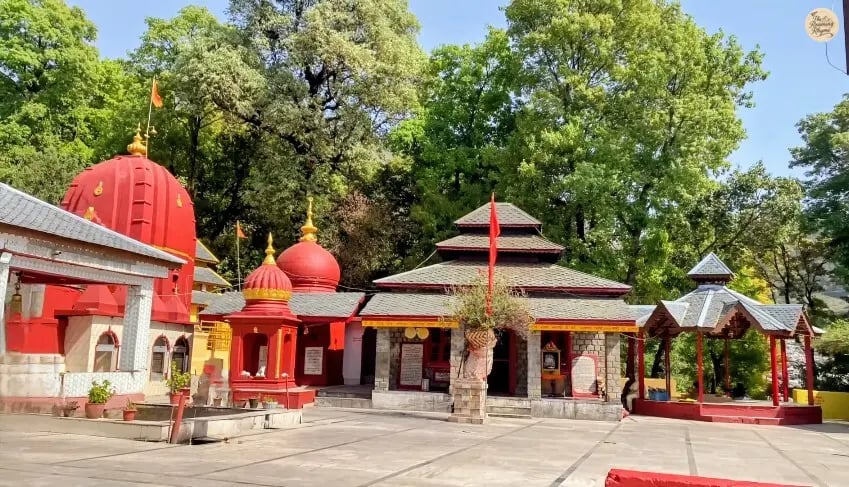
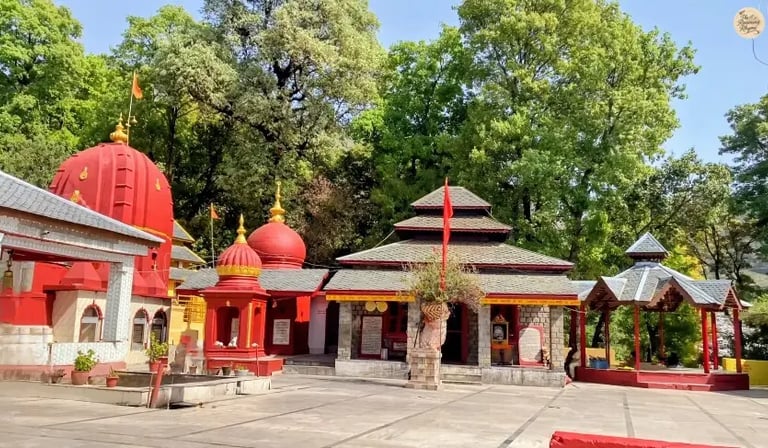
Where legend, faith, and forest meet
A calm stream beside ancient faith
Norbulingka Institute – Tibetan Art, Culture & Handicrafts Centre
Your next stop leads you into the graceful world of the Norbulingka Institute, one of the most enriching cultural places to visit in Dharamshala. Named after the Dalai Lama’s Summer Palace in Lhasa, this living center of Tibetan heritage feels like a garden shaped by tradition. Built in classic Tibetan architectural style, the institute is set amid winding paths, flowing streams, small waterfalls, and still ponds — all framed beautifully by the Dhauladhar mountains.
Norbulingka was established with a clear purpose — to preserve Tibetan culture in India and provide livelihood to skilled Tibetan refugees. As you walk through the campus, you don’t just view art; you witness it in motion. Thangka paintings, metal statues, woodwork, and sculptures come alive through the hands of resident artisans, reflecting generations of devotion and craftsmanship. The peaceful surroundings deepen the experience, making this one of the most calming things to do in Dharamshala.
At the heart of the complex stands the Deden Tsuglagkhang Temple, a striking example of Tibetan Buddhist architecture. Inside, vibrant thangka murals narrate stories of Lord Buddha, the Dalai Lama, and revered Buddhist masters. The centerpiece is a 14-foot Gilded Statue of Lord Buddha, the largest of its kind here, handcrafted entirely by Norbulingka artists.
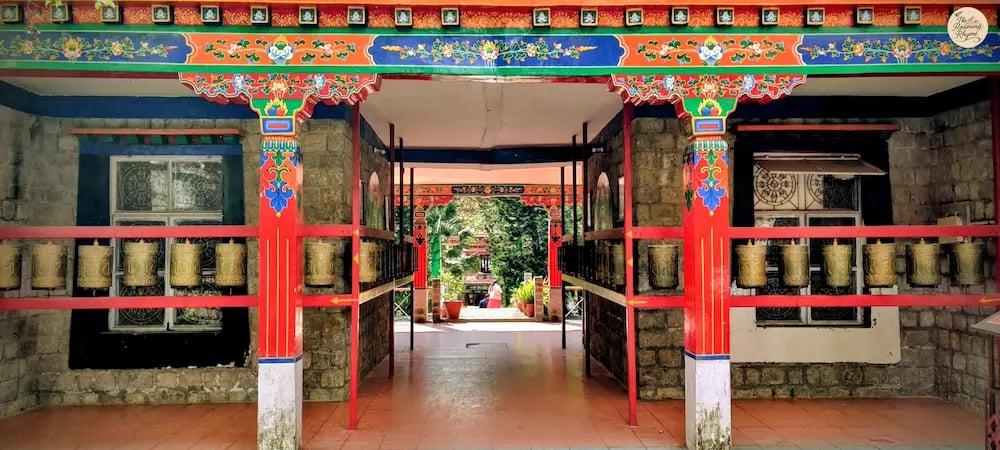
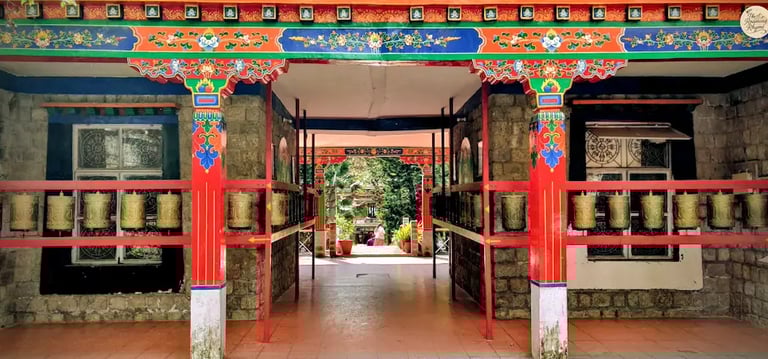
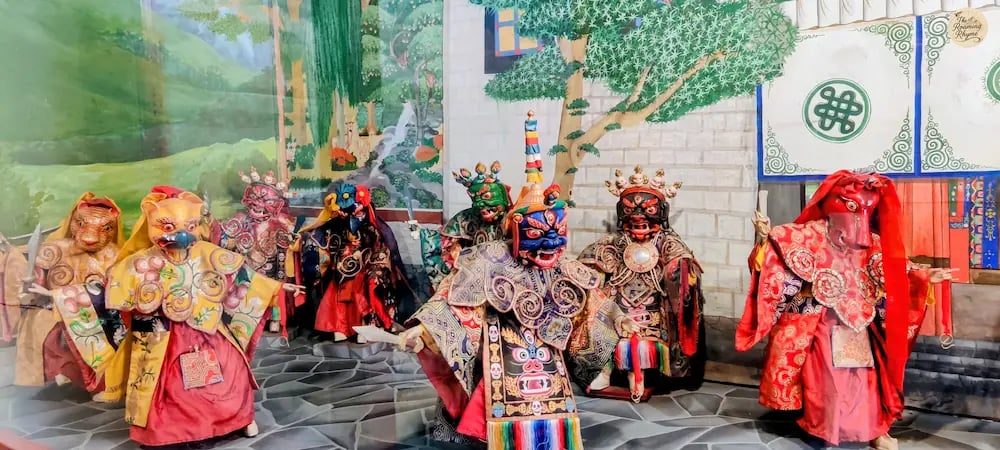
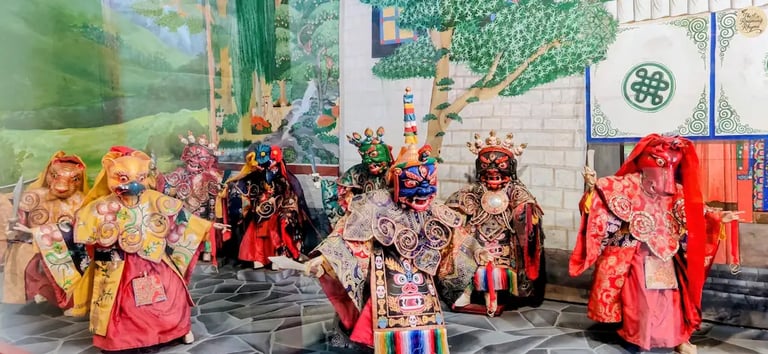
A living museum of Tibetan culture
Traditions stitched into tiny dolls
Before leaving, step into the Losel Doll Museum, where around 150 traditional Tibetan dolls, dressed in regional costumes, quietly share stories of life across the Tibetan Plateau. Each display reflects the diversity, detail, and cultural richness of Tibetan traditions.
Norbulingka doesn’t rush you. It invites you to walk slowly, observe closely, and leave with a deeper respect for a culture that continues to thrive — patiently, gracefully, and beautifully — in the heart of Dharamshala.
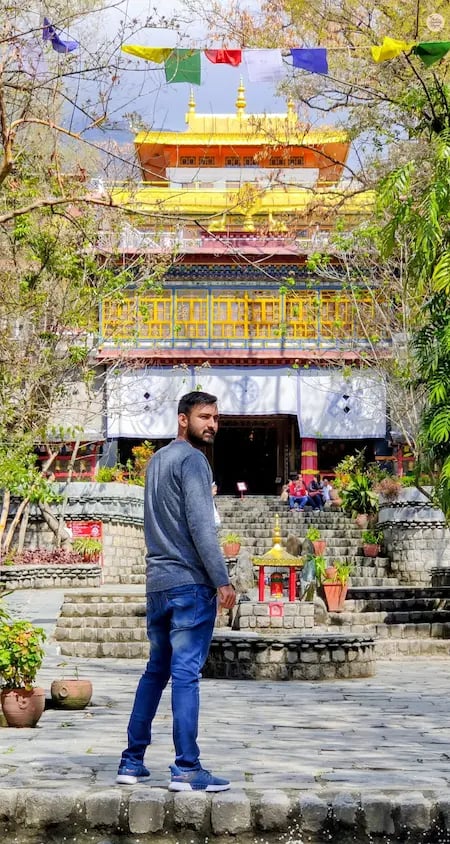
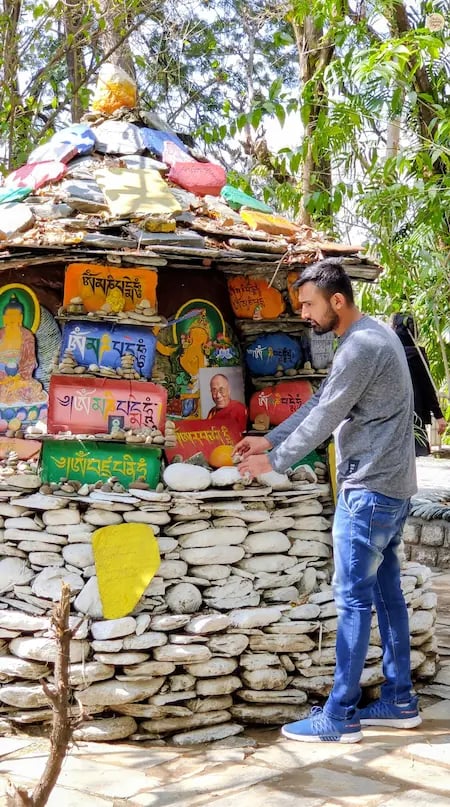
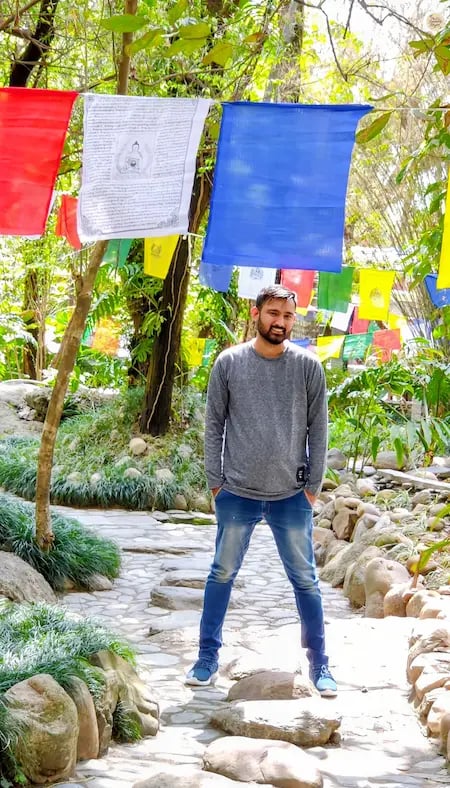
Serenity woven into Tibetan art and gardens
A serene corner reflecting Dalai Lama’s presence
Prayer flags adding color to quiet corners
HPCA Cricket Stadium Dharamshala – World’s Most Scenic Cricket Ground
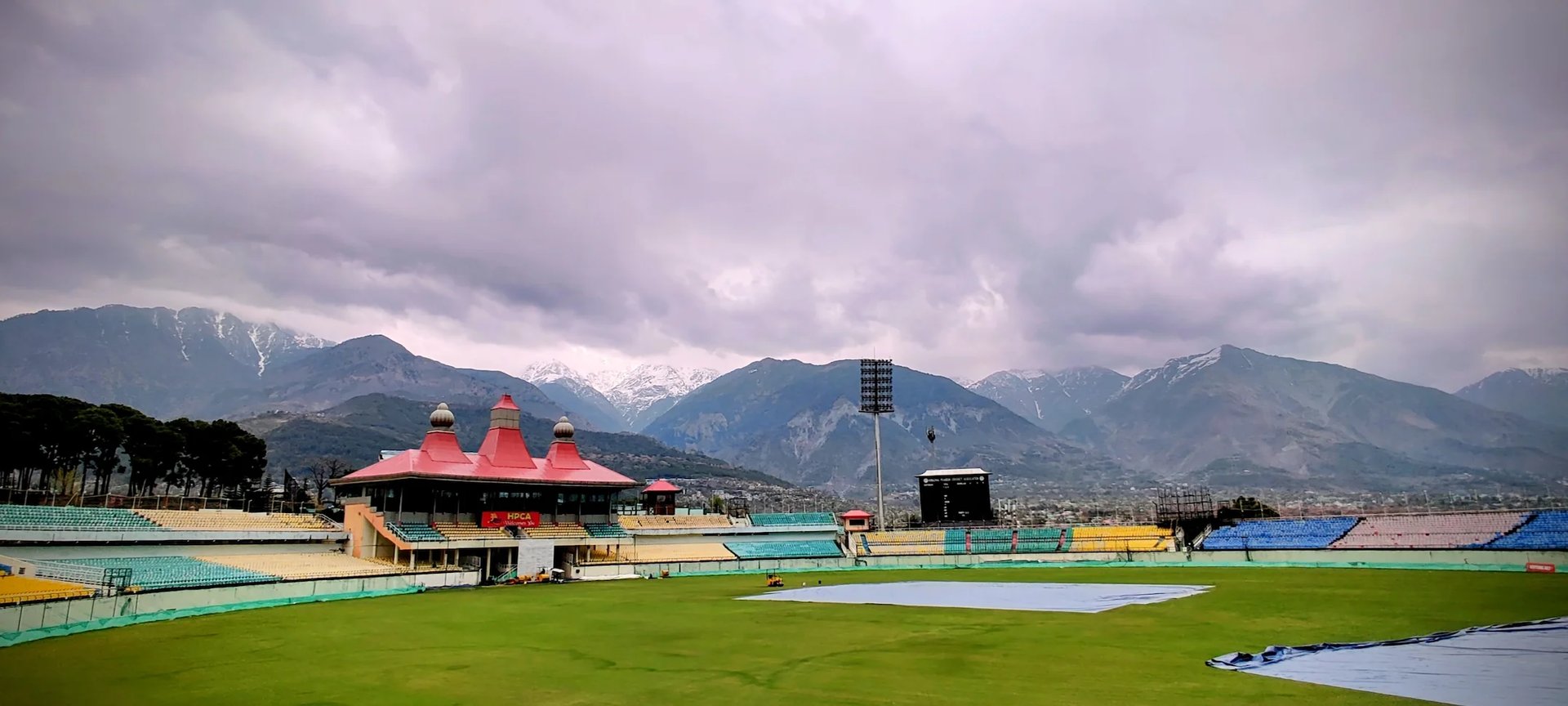
You’ve likely heard of it long before planning your trip — the HPCA Cricket Stadium in Dharamshala, often ranked among the Most Beautiful Cricket Stadiums in the World. And the moment you step inside, the reason becomes clear. Sitting at an altitude of 1,457 meters, this isn’t just a sports venue — it’s where cricket unfolds in the lap of the Himalayas.
Set against the dramatic Dhauladhar Range↗, the backdrop is so striking it often steals attention from the pitch itself. Snow-capped peaks rise behind the stands, turning even a casual visit into an unforgettable experience. Built in 2003 with a seating capacity of around 23,000, the stadium is a regular host to international matches, IPL↗ games, and training sessions for the Indian Cricket Team↗.
Even when no match is scheduled, visiting the HPCA Stadium Dharamshala is one of the most popular things to do in Dharamshala. Walk around the campus, admire the main pavilion designed in Tibetan architectural style, and enjoy the open, well-maintained grounds that blend seamlessly with the landscape.
What truly sets this stadium apart is the feeling of space — no towering barriers, just open skies, green turf, and mountains standing quietly in the background. And before long, you’ll find yourself facing the same gentle dilemma every visitor does:
Do you watch the game… or do you watch the mountains?
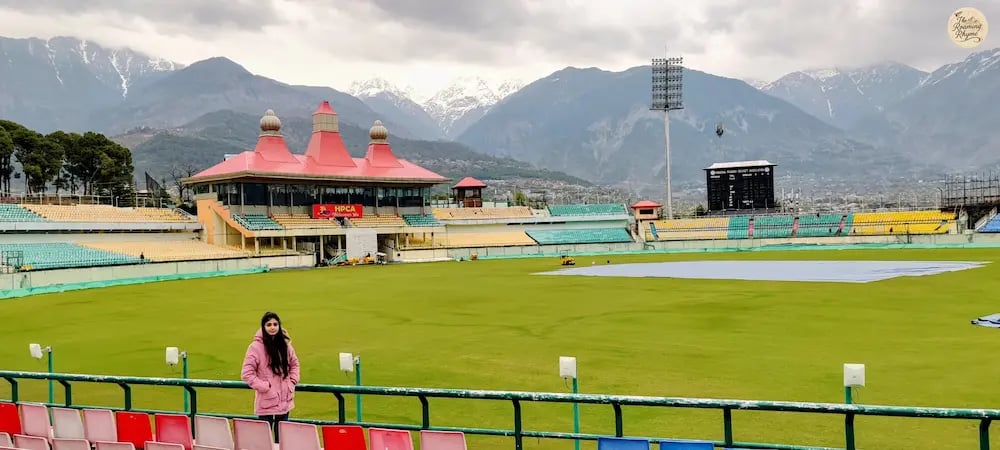
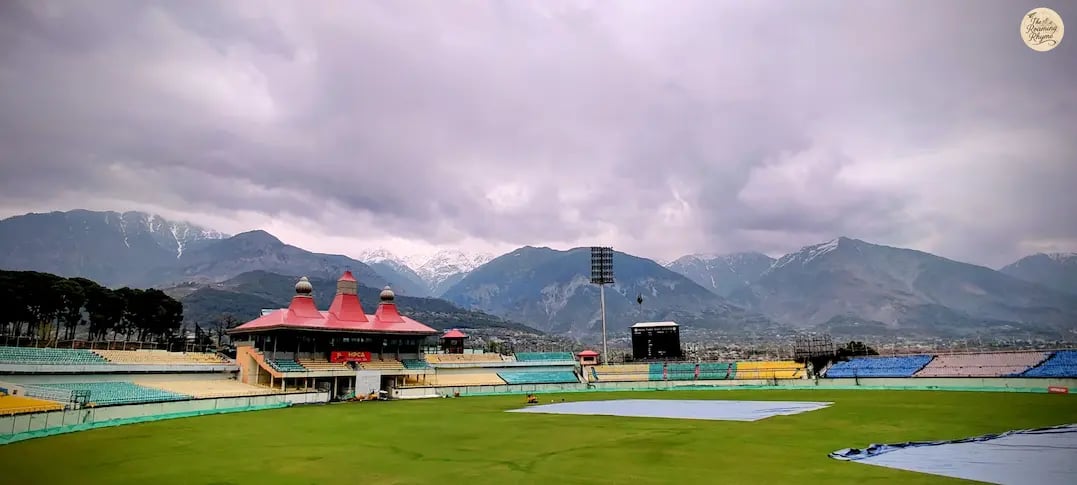
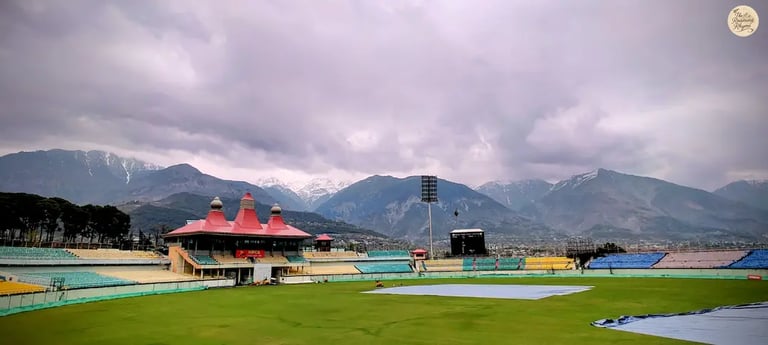
HPCA Stadium Dharamshala scenic view
A stadium wrapped in Dhauladhar mountain views
Dharamshala War Memorial – Tribute to Indian Army Heroes
Dharamshala is often described as a land of monasteries, temples, and peaceful hills. Yet within this calm town lies a place that speaks in a different voice — one of sacrifice, service, and remembrance. The Dharamshala War Memorial invites you to slow down, reflect, and honor those who gave their lives for the nation.
India’s military history carries the weight of several conflicts — from the Indo-Pak Wars of 1947, 1965, and 1971↗ to the Indo-China war of 1962↗. Conceived by Brigadier Khushwant Singh and built in 1972, this memorial in Dharamshala stands as a tribute to fallen soldiers. It serves not only as a place of respect but also as one of the most meaningful historical places to visit in Dharamshala.
As you walk toward the memorial, three gently curved black marble walls rise before you. The names etched into stone speak without sound, each one carrying a story of courage and duty. Slow your steps. Read a few names. Let the silence do the rest.
Surrounding the structure, carefully tended rose gardens bloom in shades of red, pink, and white — symbolizing youth, life, and age. Their presence softens the space, reminding visitors that remembrance can be solemn yet quietly beautiful.
This is not a place to hurry through. It is a moment of pause in your Dharamshala travel itinerary — a reminder of bravery, loss, and pride, where the mountains stand witness, and you simply stand still.
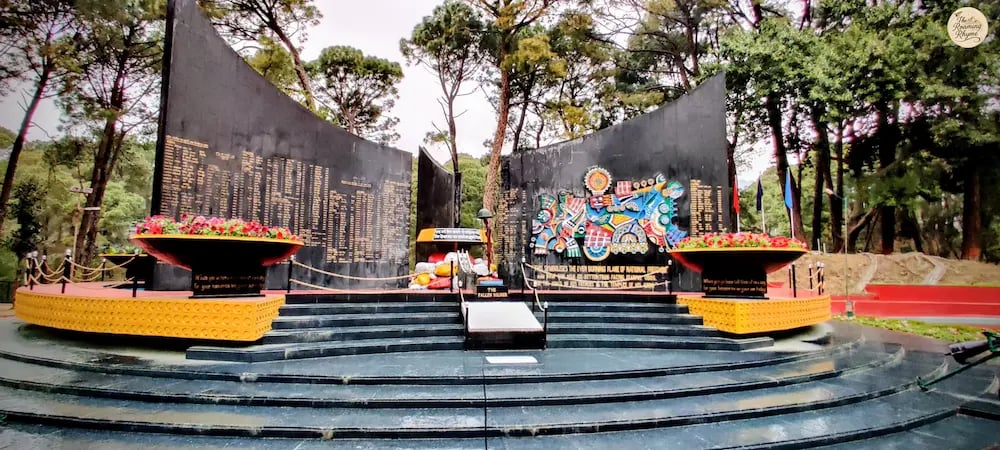
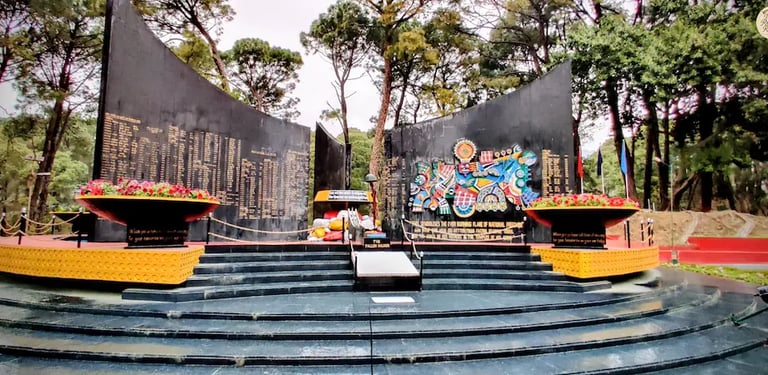
Stories of sacrifice etched in stone
Dharamshala Tea Gardens – Kangra Tea Estates with Mountain Backdrop
As late afternoon settles in, head toward the Dharamshala Tea Gardens, a tranquil stretch of green tucked into the heart of the Kangra Valley. Just a short drive from town, these rolling tea estates offer one of the most peaceful places to visit in Dharamshala, far removed from busy markets and sightseeing crowds.
Walking through the gardens gently slows your pace. Narrow trails wind across soft green slopes, the air carries the faint fragrance of fresh tea leaves, and the Dhauladhar mountains rise quietly in the background. Unlike the vast plantations of Assam or Darjeeling, this is India’s Smallest Tea-Growing Region, making the experience intimate, calm, and deeply personal.
Tea cultivation here began in the 1850s, when British planters discovered the valley’s ideal climate. Kangra Tea, prized for its delicate aroma and medicinal qualities, even won a gold medal at the London Expo in 1886. Though the industry suffered setbacks after the 1905 earthquake, it continues to flourish today, producing premium organic black and green teas exported worldwide.
For a deeper experience, guided tours by local estates like Dharamshala Tea Company↗ and Himalayan Brew↗ offer insight into the journey from leaf to cup. You’ll see how tea-making blends tradition, science, and precision — and enjoy tastings that make every sip more meaningful.
As the sun dips and the hills glow softly, the tea gardens remind you that Dharamshala travel isn’t just about sights — it’s about moments felt slowly and fully.
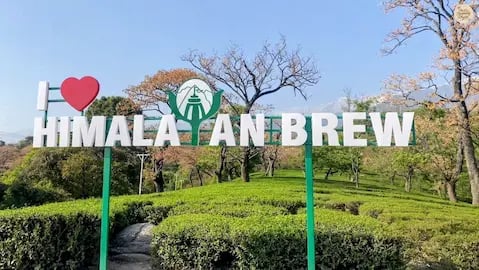
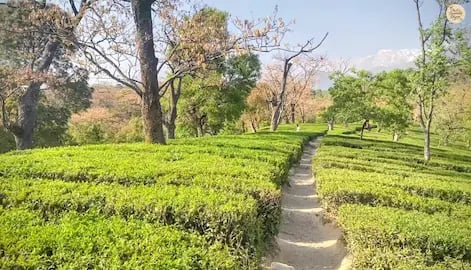
Where Kangra tea grows in calm layers
A quiet walk through Dharamshala’s tea fields
As Day 3 comes to a close, Dharamshala eases into silence. The mountains grow still, the air cools, and your journey finds its quiet ending — shaped by monasteries, mountain trails, tea gardens, and pauses that linger long after the road moves on.
McLeod Ganj — Lively Streets & Classic Stops:
Tibet Quality Bakery – Fresh bakes, great coffee, and the town’s most loved smiles
Jimmy’s Italian Kitchen – Wood-fired pizzas and comfort food after long walks
Moonpeak Espresso – Strong brews, quiet corners, and people-watching views
Illiterati Café – Books, balconies, and slow meals overlooking the valley
Bhagsu — Waterfalls & Easy Cafés:
Shiva Café – Simple food, forest vibes, perfect post-waterfall stop
German Bakery Bhagsu – Breakfasts, desserts, and relaxed seating
Peace Café – Budget-friendly, filling meals with mountain views
Dharamkot (Mini Israel) — Slow Days & Global Plates:
Morgan’s Place – Israeli comfort food, sunsets, and calm energy
Trek & Dine – Falafel, hummus, and rooftop mountain views
Bodhi Greens – Vegan plates, meditation mood, and soulful quiet
Woeser Bakery – Fresh breads, cakes, and warm café charm
Naddi & Surroundings — Views Over Menus:
Sunset View Café (Naddi) – Tea, snacks, and wide Dhauladhar views
Green Dragon Café – Quiet meals with open skies and silence
Lower Dharamshala — Calm Cafés & Local Favorites:
Himalayan Brew Tea Garden Café – Tea trails, fresh brews, and green calm
The Other Space – Creative menu, peaceful seating, local crowd
Best Cafés in Dharamshala, McLeod Ganj & Dharamkot
As the journey comes to an end, Dharamshala and McLeod Ganj no longer feel like places you visited — they feel like places that slowly stayed with you. In just three days in Dharamshala, you move through lively markets and silent monasteries, climb mountain trails and rest in green tea gardens of Kangra Valley, listening to chants, waterfalls, sunsets, and stories. Every step carries The Roaming Rhyme — a soft rhythm that lingers long after the road curves away.
This journey is about more than checking off places to visit in Dharamshala and McLeod Ganj. It’s about tracing the unknown path — letting the Himalayan mountains lead, allowing stillness to speak, and giving moments the space to unfold without hurry. Dharamshala welcomes every kind of traveler: the seeker drawn to monasteries, the trekker chasing the Triund trail, the wanderer in cafés and villages, and anyone simply needing a pause.
So if your heart longs for mountains without noise, culture without crowds, and experiences that feel both grounding and freeing, let Dharamshala travel call you. Come for the views, stay for the feeling — and leave knowing that some journeys don’t truly end… they quietly wait for you to return.
Frequently Asked Questions – Dharamshala-McLeodganj Travel Guide
Q. Why is Dharamshala famous?
A. Dharamshala is famous for its Himalayan views, Tibetan culture, monasteries, and as the home of the Dalai Lama, blending spirituality with mountain beauty.
Q. Are Dharamshala and McLeod Ganj the same?
A. No. McLeod Ganj is the upper part of Dharamshala, known for monasteries and cafés, while Dharamshala is the larger town below.
Q. Is McLeod Ganj a hill station?
A. Yes, McLeod Ganj is a hill station in Himachal Pradesh, known for its cool climate, mountain scenery, and relaxed vibe.
Q. Best photography spots in Dharamshala & McLeod Ganj?
A. Capture stunning shots at Triund ridge, Naddi View Point, Dalai Lama Temple, Bhagsunag Waterfall, Church of St. John in the Wilderness, Dharamshala Skyway, Norbulingka Institute gardens, HPCA Stadium with Dhauladhar backdrop, and the tea gardens of Kangra Valley.
Q. Can I see snow in McLeod Ganj?
A. Yes, snowfall in McLeod Ganj usually occurs from late December to February, especially in higher areas like Triund and Naddi.
Q. Is McLeod Ganj colder than Dharamshala?
A. Yes. Due to its higher altitude, McLeod Ganj is colder than Dharamshala, particularly during winter.
Q. What to shop for in McLeod Ganj?
A. Shop for Tibetan handicrafts, prayer flags, woolens, Buddha statues, thangkas, silver jewelry, and local souvenirs.
Q. Is there any dress code for the Dalai Lama Temple?
A. There’s no strict dress code, but modest clothing covering shoulders and knees is recommended.
Q. Can beginners do the Triund Trek?
A. Yes, the Triund Trek is beginner-friendly, suitable for anyone with basic fitness and proper pacing.
Q. How long is the Triund Trek?
A. The Triund Trek is about 9 km one way and takes 4–6 hours to complete.
Q. Why do Israelis visit Dharamkot?
A. Many Israelis visit Dharamkot for its slow mountain life, cafés, trekking routes, and the familiar presence of Hebrew culture and food.
Share Your Thoughts – We’d Love to Hear From You!
Every journey is better when shared.
We hope you enjoyed this travel story — now, we'd love to hear yours! Share your experience, suggestions, or feedback and help us make our travel tales even better.
Tracing poetry on paths unknown.
Join The Journey
© 2026 The Roaming Rhyme. All rights reserved.


Some links may be affiliate links. If you purchase through them, I may earn a small commission — at no extra cost to you.
Explore
Travel stories, guides, and hidden gems — delivered gently to your inbox.
Karnataka